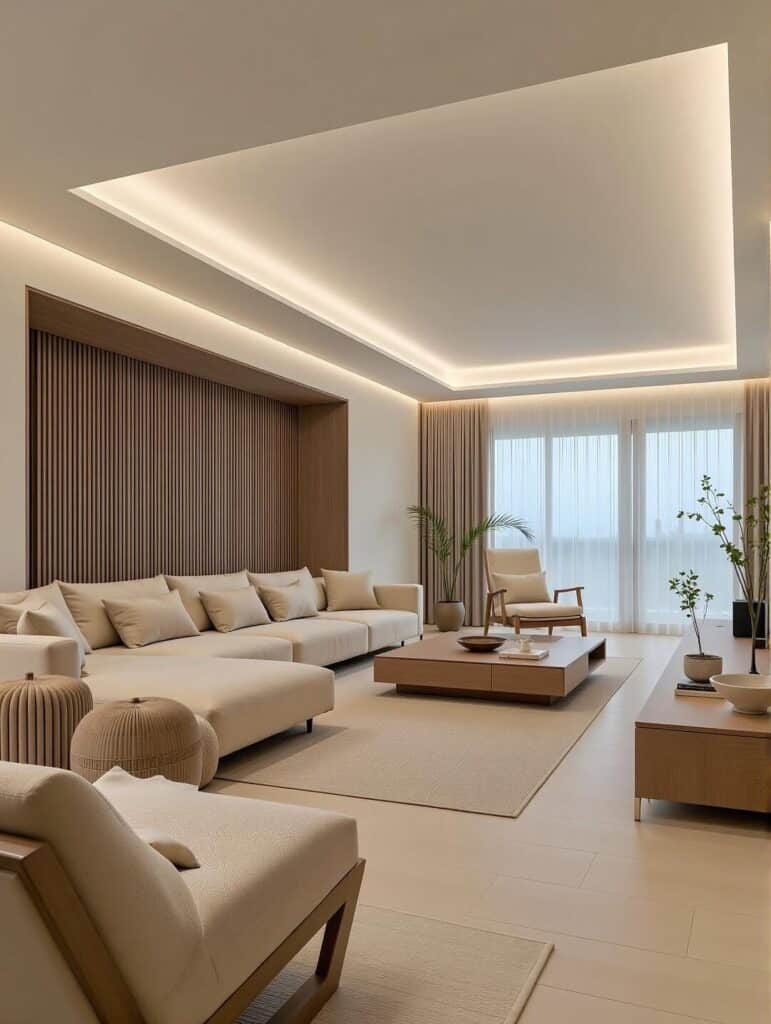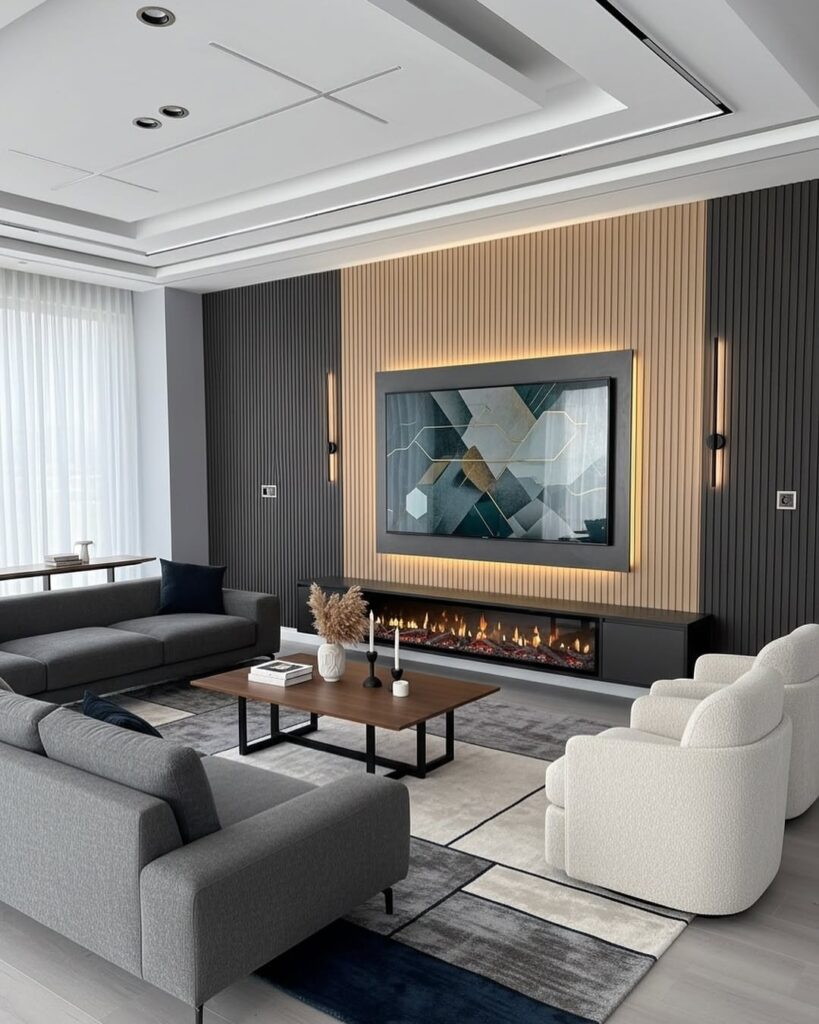
This blog post is about Living Room Wall decor ideas
Your living room walls are more than just boundaries, they’re blank canvases waiting to tell your design story. Whether you’re drawn to the clean lines of modern minimalism, the warmth of farmhouse charm, the eclectic spirit of boho style, or the sophistication of luxury interiors, the right wall decor can completely transform the energy and aesthetic of your space.
Here’s the truth that every design enthusiast knows: wall decor is where personality meets purpose. It’s the difference between a room that feels complete and one that falls flat. Yet with endless possibilities at your fingertips, the challenge isn’t finding ideas, it’s finding the right ideas that align with your vision, budget, and architectural context.
That’s exactly why we’ve curated these 15 living room wall decor ideas. From gallery walls that command attention to subtle textural elements that add depth, you’ll discover approaches that span every style, aesthetic, and price point. Consider this your comprehensive inspiration guide to creating walls that don’t just fill space, but elevate it.
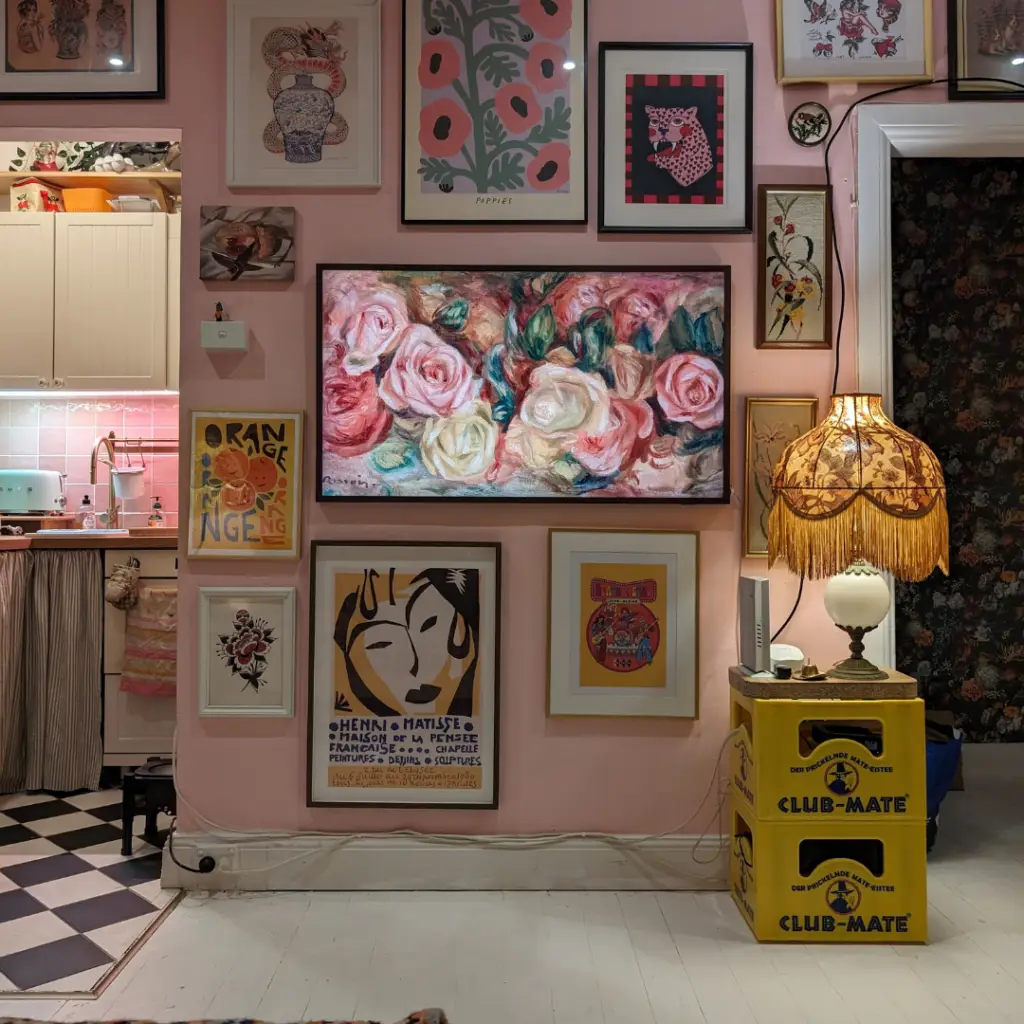
1. Symmetrical Frame Gallery Wall
There’s an undeniable power in symmetry. A symmetrical frame gallery wall brings order and sophistication to your living room through carefully balanced composition. This approach works beautifully in modern and minimalist homes where clean lines and intentional placement reign supreme.
The key to mastering this look lies in your grid structure. Choose uniform frames, whether matching black, white, or natural wood, and arrange them in a precise pattern. Think 3×3 grids, linear horizontal rows, or mirror-image layouts flanking a central focal point. The uniformity of frames allows your artwork to become the variable, creating visual interest within a structured framework.
This style particularly shines above sofas, consoles, or in dining areas where architectural balance enhances the room’s formality without feeling stiff.
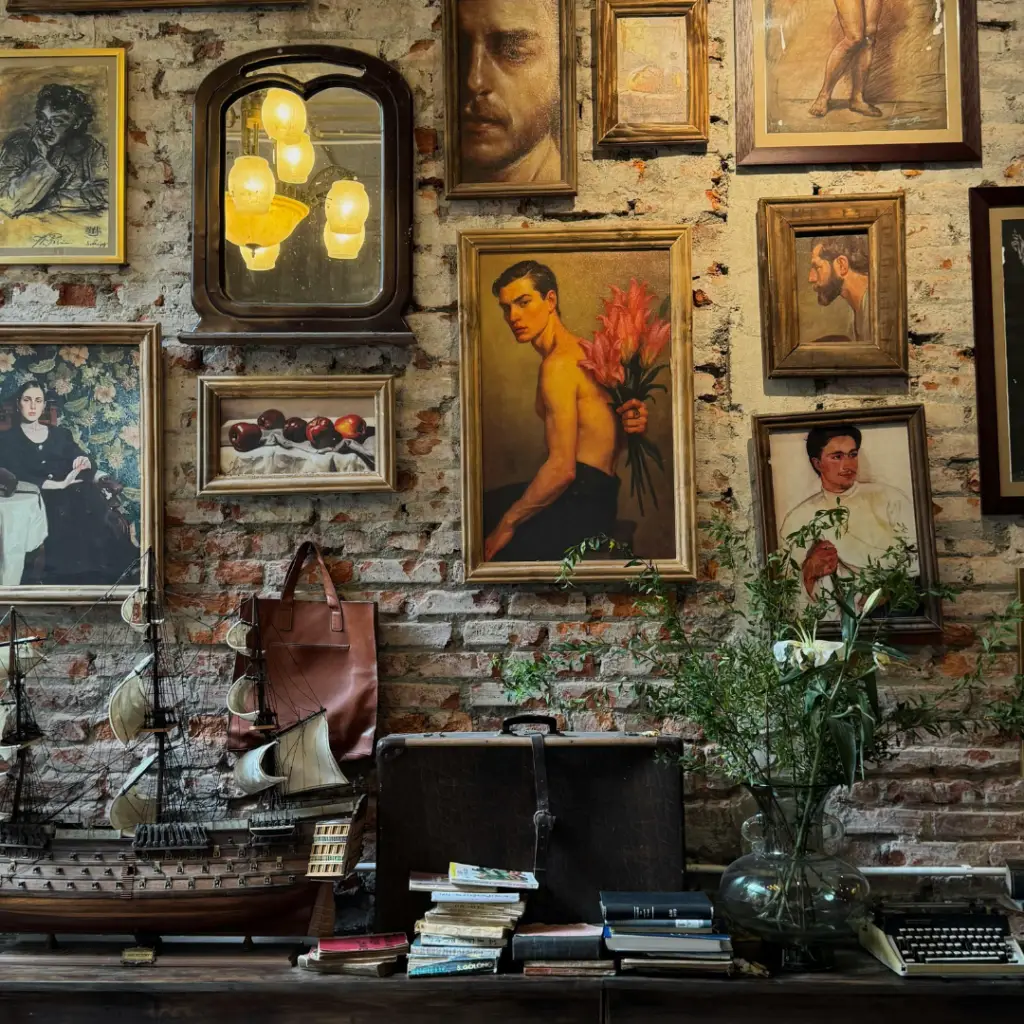
2. Eclectic Mix-and-Match Gallery
For spaces that celebrate creative freedom, an eclectic gallery wall becomes a living collection of your aesthetic journey. This approach embraces different frame sizes, styles, finishes, and artwork types to create a curated-yet-organic composition that feels both intentional and spontaneous.
The secret to pulling off this boho-inspired look without descending into chaos? Start with a unifying element. This might be a consistent color palette across your prints, a theme that ties disparate pieces together, or a repeating frame finish that appears throughout the arrangement. Layer vintage frames with modern ones, mix photography with abstract art, and don’t be afraid to include three-dimensional objects like small mirrors or sculptural pieces.
Lay out your arrangement on the floor first, experimenting with spacing and flow until the composition feels balanced in its beautiful asymmetry.
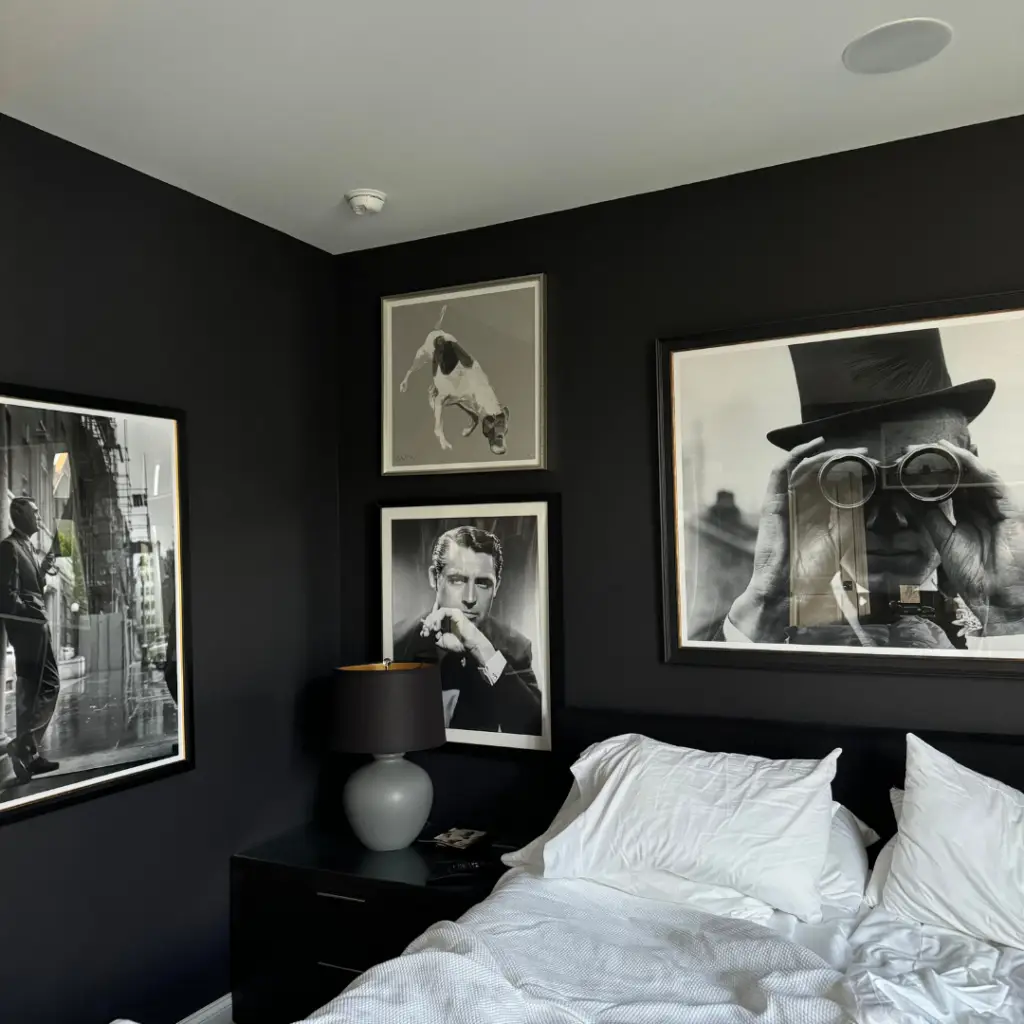
3. Black and White Photo Wall
Timeless never goes out of style, and a black and white photo wall proves this design truth with elegant simplicity. This approach works equally well with cherished family photographs or striking artistic prints, creating a cohesive visual narrative that transcends trends.
The monochromatic palette eliminates color distraction, allowing viewers to focus on composition, emotion, and subject matter. Whether you opt for matching frames for a gallery feel or varied frames for added texture, the absence of color creates surprising depth and sophistication.
Consider mixing different photographic styles, candid family moments alongside architectural shots, or portraiture mixed with landscape photography. The common thread of black and white creates harmony while the content provides variety.
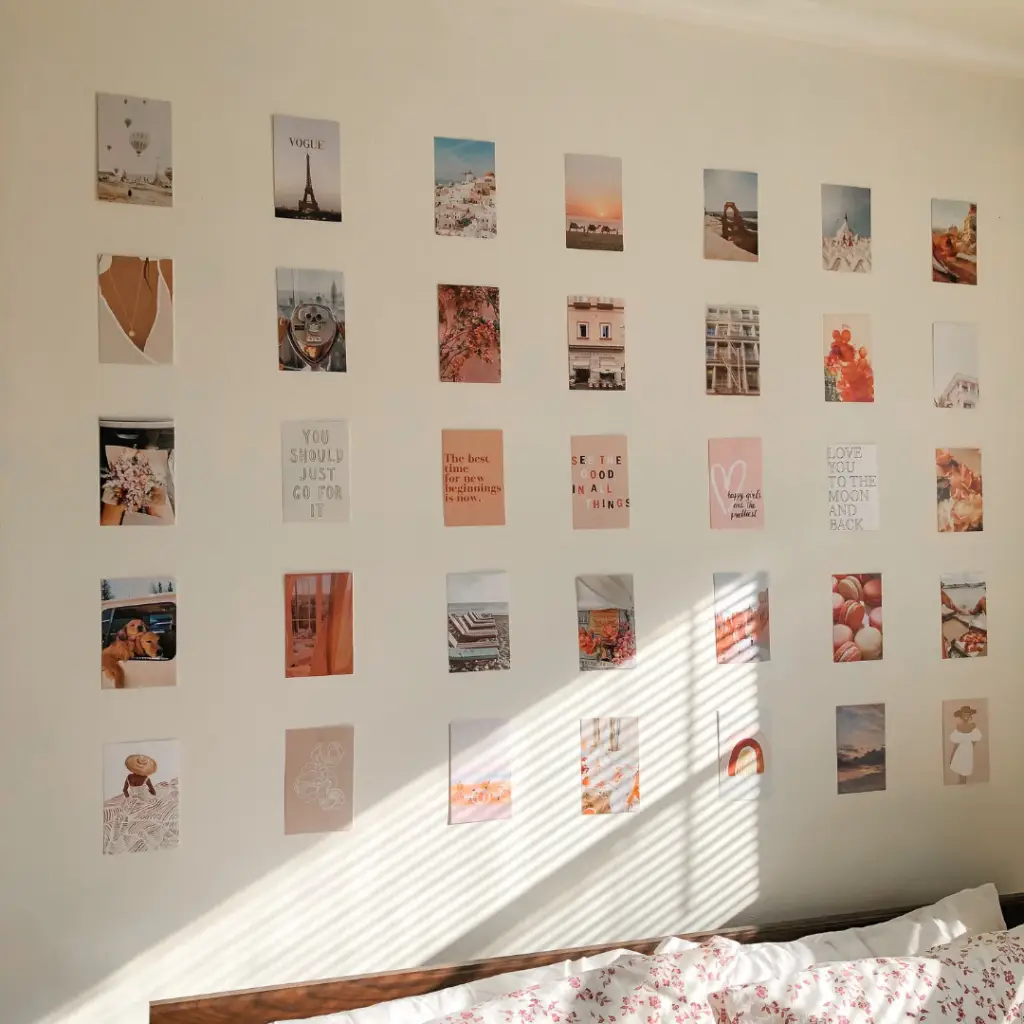
4. Floor-to-Ceiling Gallery Wall
When you’re ready to make a dramatic statement, take your gallery wall vertical. A floor-to-ceiling installation transforms an entire wall into an art experience, perfect for living rooms with high ceilings or expansive wall space that demands a bold approach.
This maximalist treatment works particularly well in contemporary lofts, traditional homes with architectural height, or any space where you want to draw the eye upward and emphasize vertical lines. The key is creating intentional progression, you might start with larger pieces at eye level and incorporate smaller works as you move toward the ceiling, or maintain consistent sizing throughout for a more uniform impact.
Don’t let the height intimidate you. This is where your design instincts shine, mixing scales, creating rhythm through repetition, and building visual interest across the entire vertical plane.
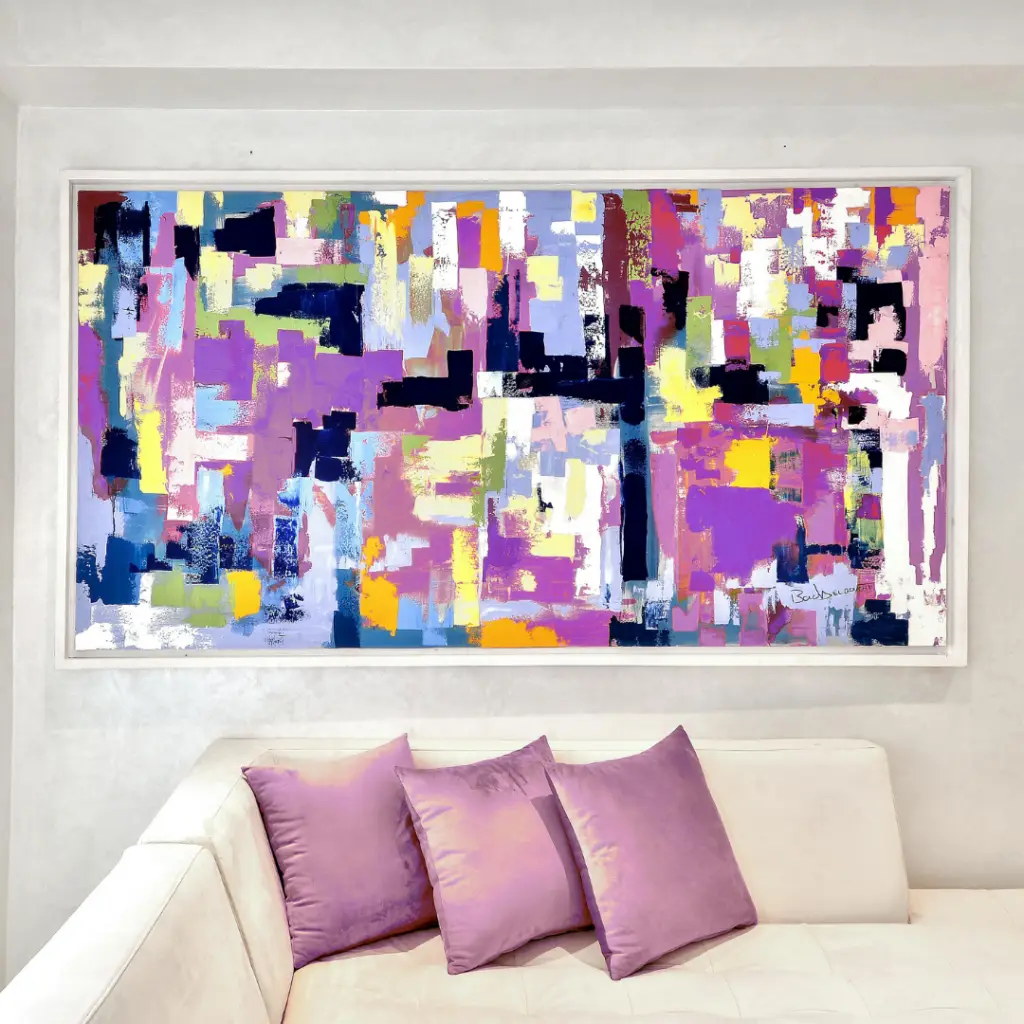
5. Oversized Canvas Art
Sometimes the most powerful design move is singular focus. An oversized canvas piece, think 48″x60″ or larger, commands attention and anchors your living room with undeniable presence. This approach eliminates the need for complex gallery arrangements, instead celebrating one bold artistic statement.
Large-scale art works beautifully above sofas, fireplaces, or as the hero piece on your primary living room wall. The size alone creates impact, but choose your subject wisely: abstract compositions bring movement and color, landscape photography offers escapism, and bold graphic works deliver contemporary edge.
This is an investment piece that sets the tone for your entire room, so select something that resonates deeply with your aesthetic vision and will continue inspiring you for years to come.
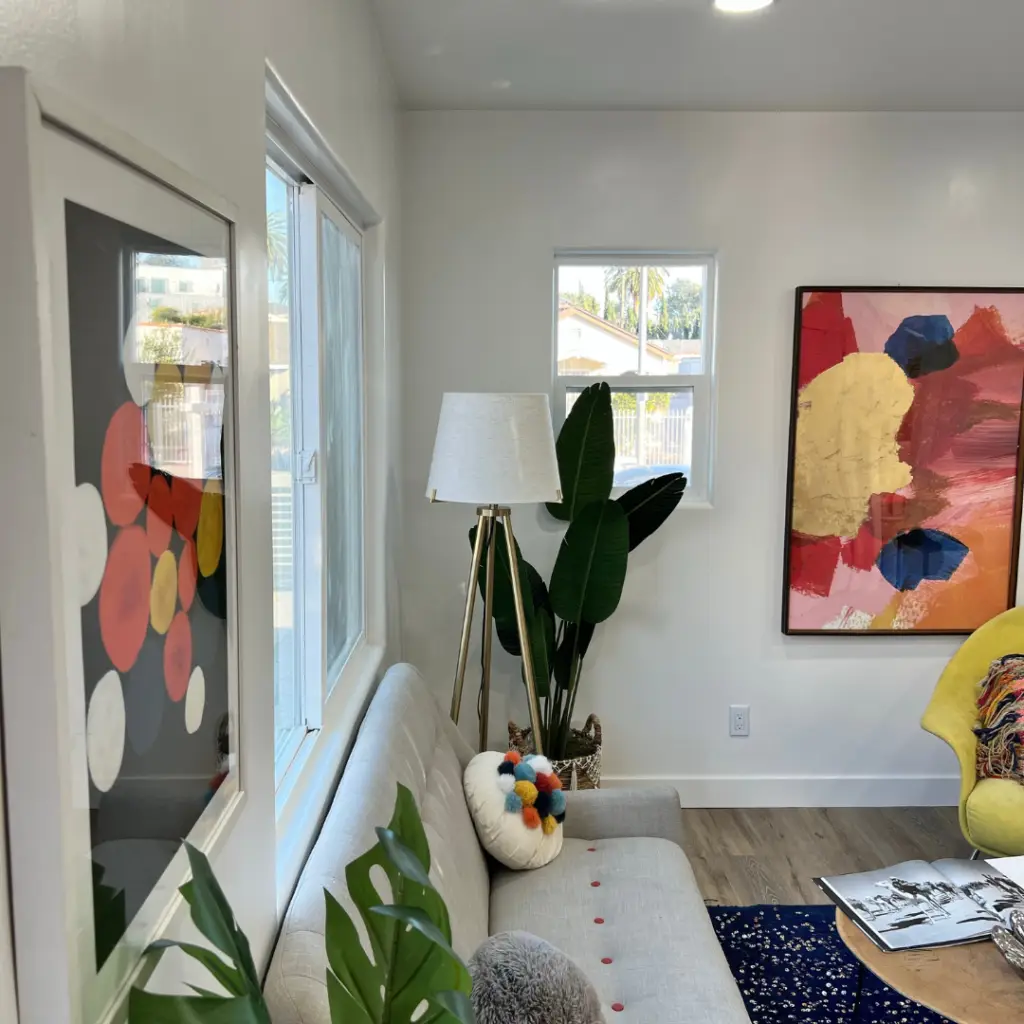
6. Abstract Art for Modern Spaces
Abstract art is the design enthusiast’s playground, a realm where color, form, and emotion intersect without the constraints of literal representation. In modern living spaces, abstract pieces inject personality and visual intrigue while maintaining the clean, uncluttered aesthetic that defines contemporary design.
The beauty of abstract art lies in its interpretive nature. A bold color-blocked canvas can pull together your room’s entire palette, while gestural brushwork adds dynamic energy to minimalist spaces. Consider how the piece interacts with your existing color scheme, does it complement through harmony, or does it create intentional contrast that makes both the art and your furnishings pop?
For maximum impact in modern interiors, look for pieces with strong compositional structure even within their abstraction. Clean lines, geometric elements, or purposeful negative space feel at home in contemporary settings.
7. Framed Fabric or Textile Art
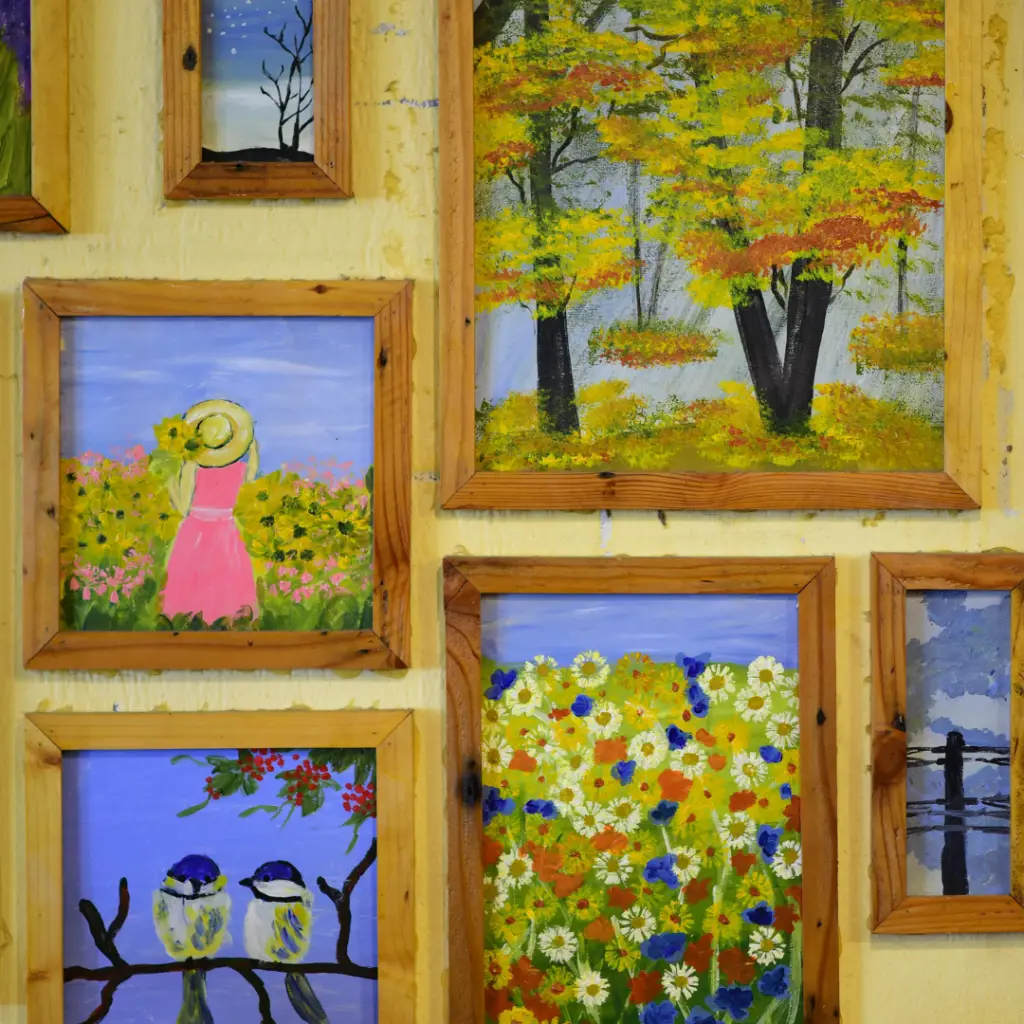
Texture is often the unsung hero of exceptional interior design, and framed fabric brings that tactile dimension to your walls. This approach transforms textiles, vintage scarves, handwoven fabrics, embroidered pieces, or even striking upholstery samples, into artistic focal points that add warmth and depth.
The technique is surprisingly versatile. Frame a collection of vintage handkerchiefs in shadowboxes for nostalgic charm, showcase a piece of hand-blocked fabric from your travels, or create a gallery wall of different textile patterns that share a color story. The three-dimensional nature of fabric catches light differently than flat prints, creating subtle shadow play that adds visual interest throughout the day.
This works exceptionally well in spaces that might otherwise feel too sleek or hard-edged, introducing organic warmth through material rather than color alone.
8. Vintage-Inspired Wall Posters
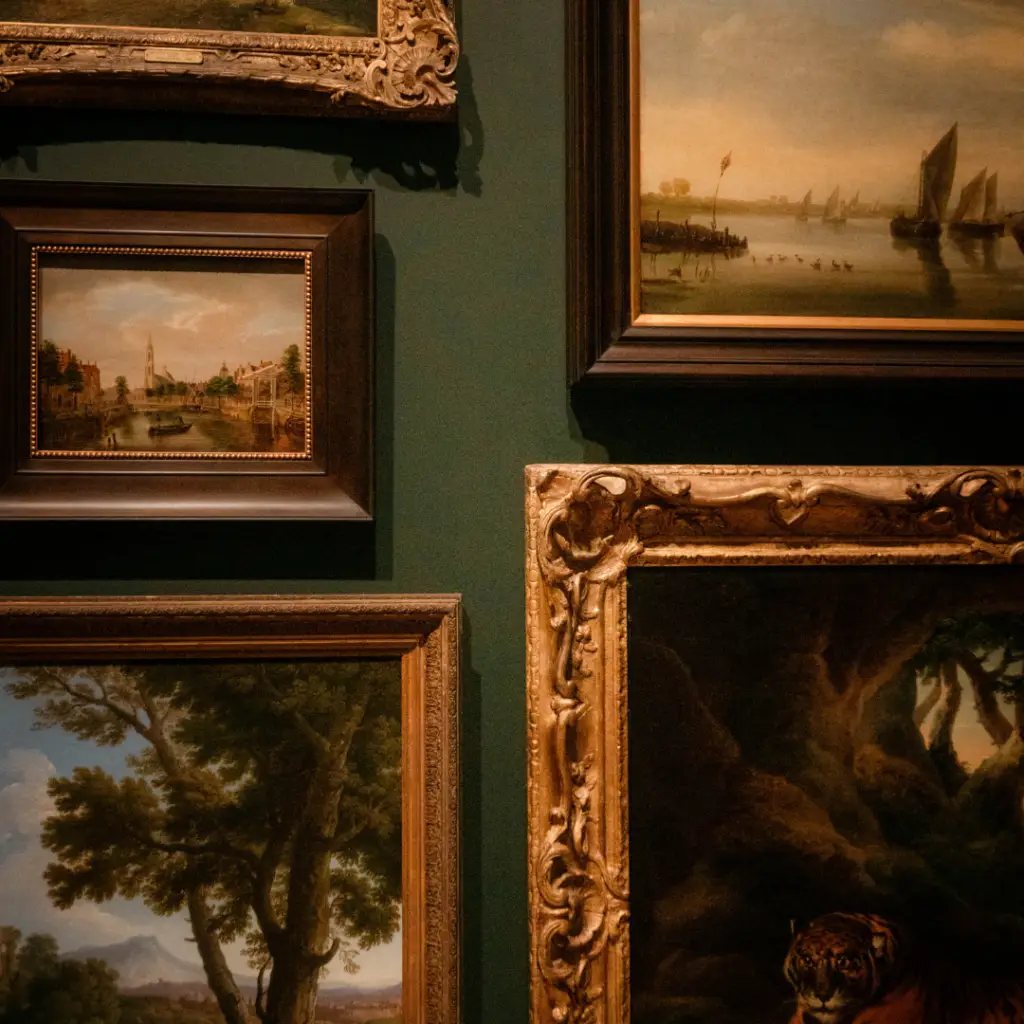
There’s something irresistibly charming about vintage aesthetics, whether authentic antique finds or contemporary prints with retro styling. Vintage-inspired posters bring a curated, collected-over-time feel to your living room, suggesting a space with history and personality.
Think classic travel posters with mid-century typography, botanical illustrations with aged patinas, vintage concert bills, or retro advertising art. The key is treating these pieces with the same curatorial eye you’d apply to fine art. Frame them properly, none of that pushpin-and-poster-board energy, and arrange them thoughtfully rather than haphazardly.
This aesthetic particularly shines when you mix eras and subjects while maintaining a consistent visual tone through your framing choices or color palette.
9. Floating Shelves with Decor Styling
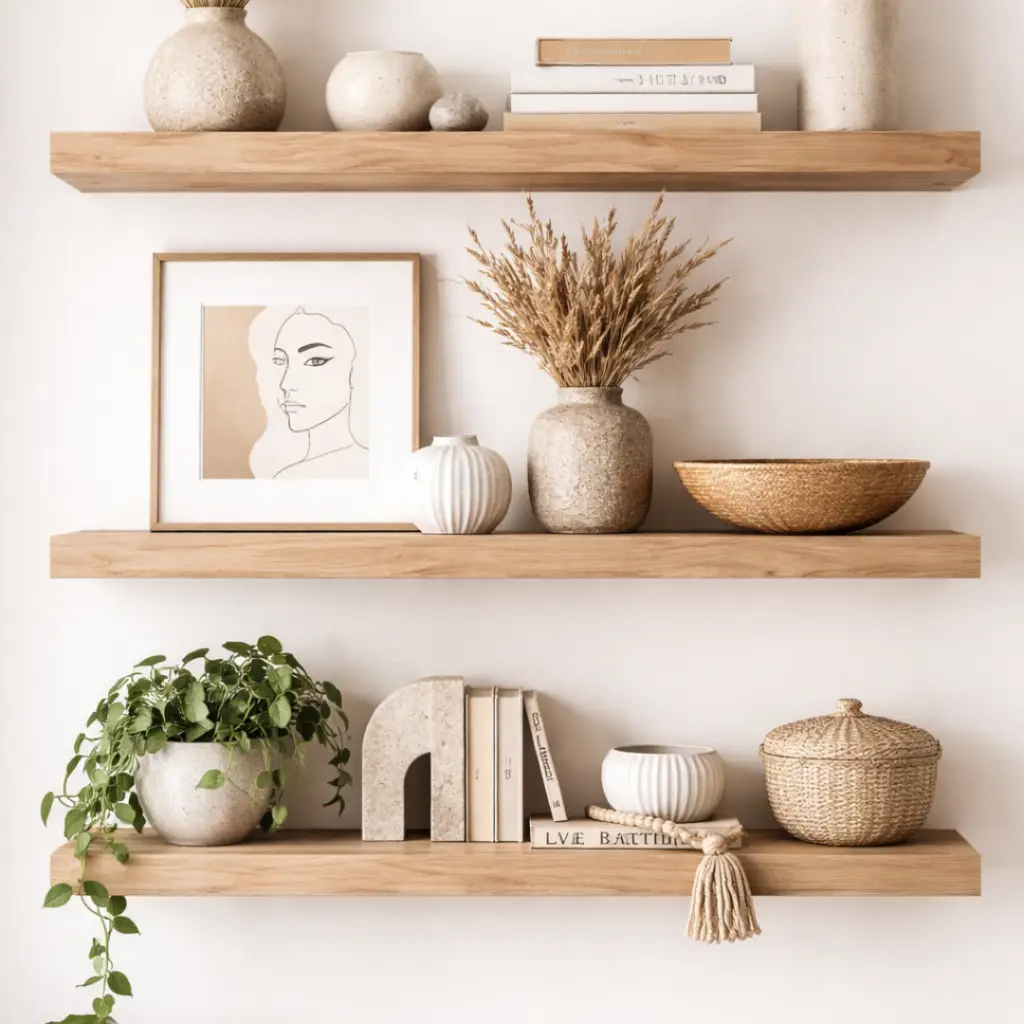
Here’s where functionality meets aesthetics in perfect harmony. Floating shelves offer the rare opportunity to create layered, changeable wall displays that combine art, objects, greenery, and books into a composed vignette that can evolve with your tastes.
The design opportunity here is substantial. Arrange art pieces by leaning them against the wall rather than hanging, layer smaller frames in front of larger ones, and integrate three-dimensional objects like sculptural vases, small plants, or collected objects that tell your design story. The beauty of this approach is its flexibility, you can refresh the styling seasonally or whenever inspiration strikes.
For visual cohesion, work in odd-numbered groupings, vary heights, and maintain some negative space. This isn’t about filling every inch; it’s about creating intentional moments of interest.
10. Wall-Mounted Cabinets
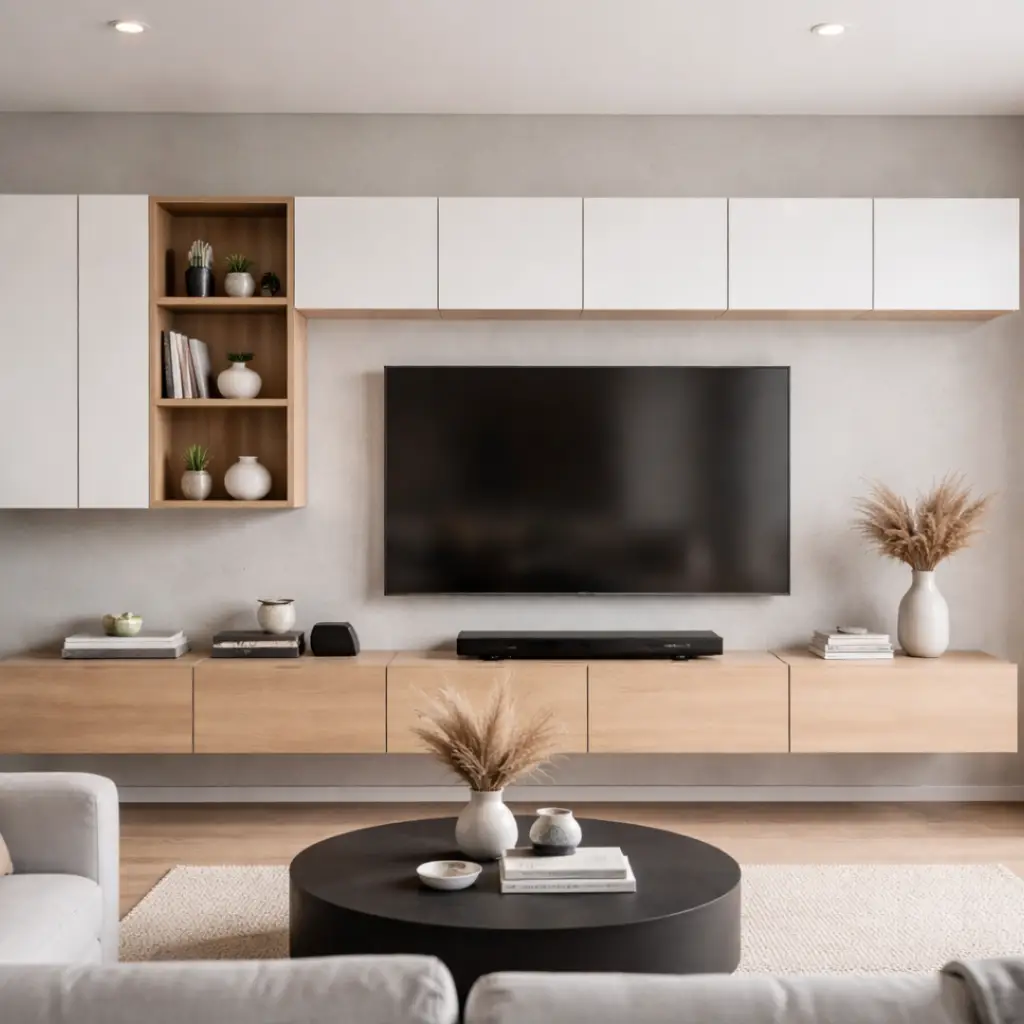
Elevate your storage game by treating wall-mounted cabinets as design elements rather than purely functional necessities. The right cabinet becomes sculptural architecture, adding depth, creating shadow lines, and providing both display and concealment in one elegant solution.
Modern wall cabinets come in stunning varieties: sleek lacquered boxes that seem to float, glass-fronted vitrines that showcase curated collections, or textured wood cabinets that add organic warmth. Position them strategically to create asymmetrical balance, or install a series in linear rhythm across your wall.
The brilliance of this approach is how it addresses the design enthusiast’s constant challenge: displaying beloved objects while maintaining visual calm. Closed storage hides clutter while the cabinet’s exterior becomes an aesthetic statement.
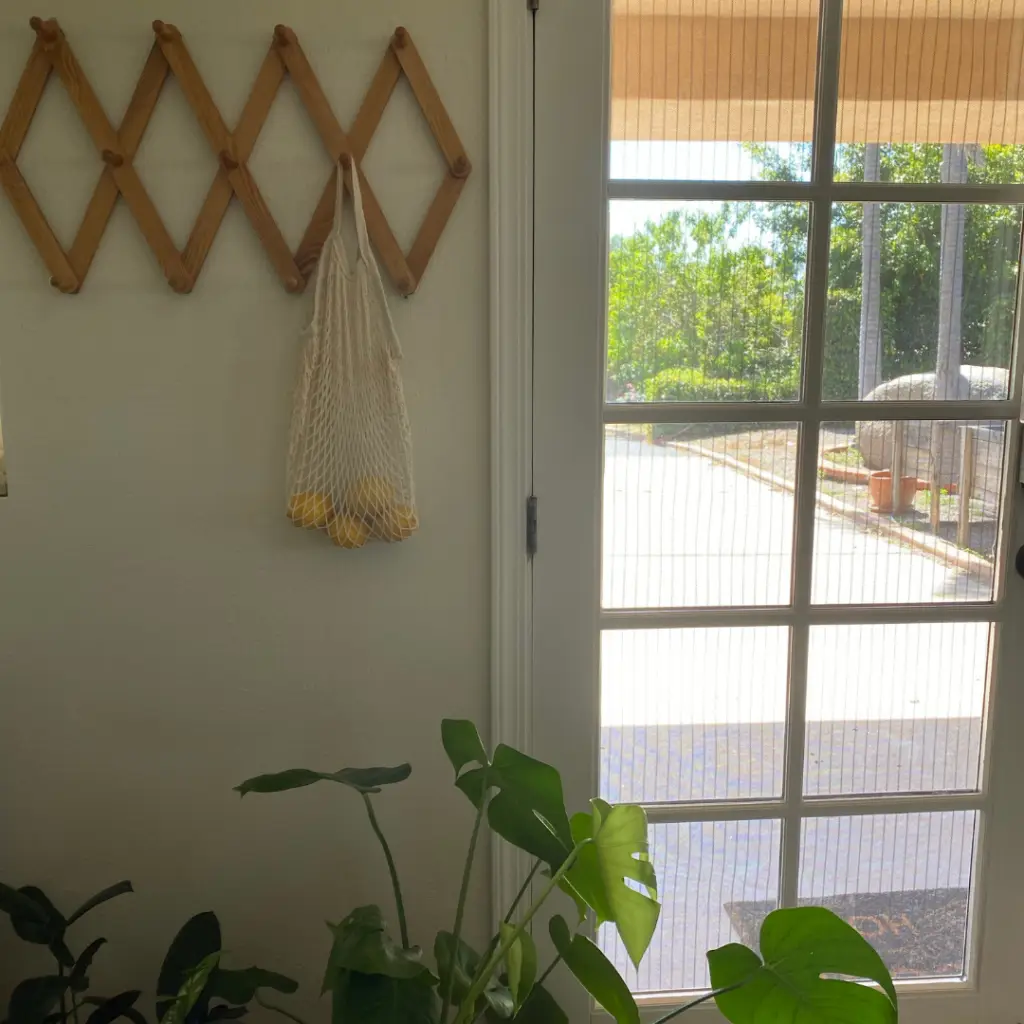
11. Decorative Wall Hooks
Don’t underestimate the design potential of elevated hardware. Decorative wall hooks transform from purely functional elements into artistic moments, particularly valuable in smaller living spaces where every element must earn its place both practically and aesthetically.
Modern interpretations of wall hooks span from minimalist brass circles to sculptural wooden designs, industrial metal configurations, and even artistic ceramic forms. Arrange them in geometric patterns, use varying sizes to create visual rhythm, or select statement pieces that function as small sculptures even when not in use.
This approach works beautifully in entryway-adjacent living rooms, multipurpose spaces, or anywhere you need to balance the practical storage of throws, bags, or accessories with your commitment to thoughtful design.
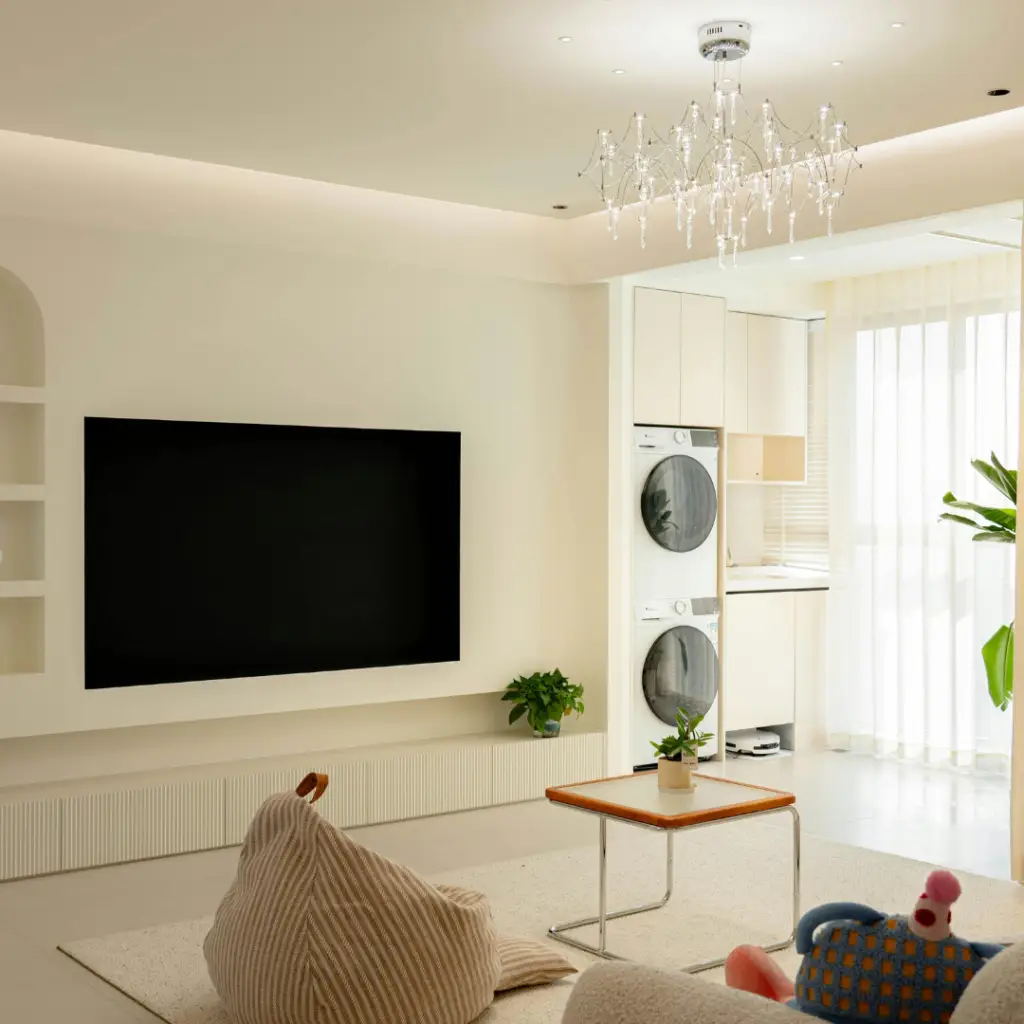
12. Mounted TV with Framed Surround
The television presents a particular design challenge, it’s a necessary element in most living rooms, yet its black rectangle can feel like an aesthetic void when not in use. The solution? Treat your TV wall as an intentional gallery composition where the screen becomes part of a larger artistic arrangement.
Frame your mounted television with artwork, creating a salon-style gallery wall that integrates the TV rather than hiding from it. This approach works especially well with symmetrical arrangements where the TV occupies the central position, surrounded by thoughtfully scaled artwork that balances its proportions.
Alternatively, create a frame-within-a-frame effect using gallery molding or a custom wood frame that gives your TV the visual weight of an art piece. This transforms your technology into an integrated design element rather than something you’re apologizing for.
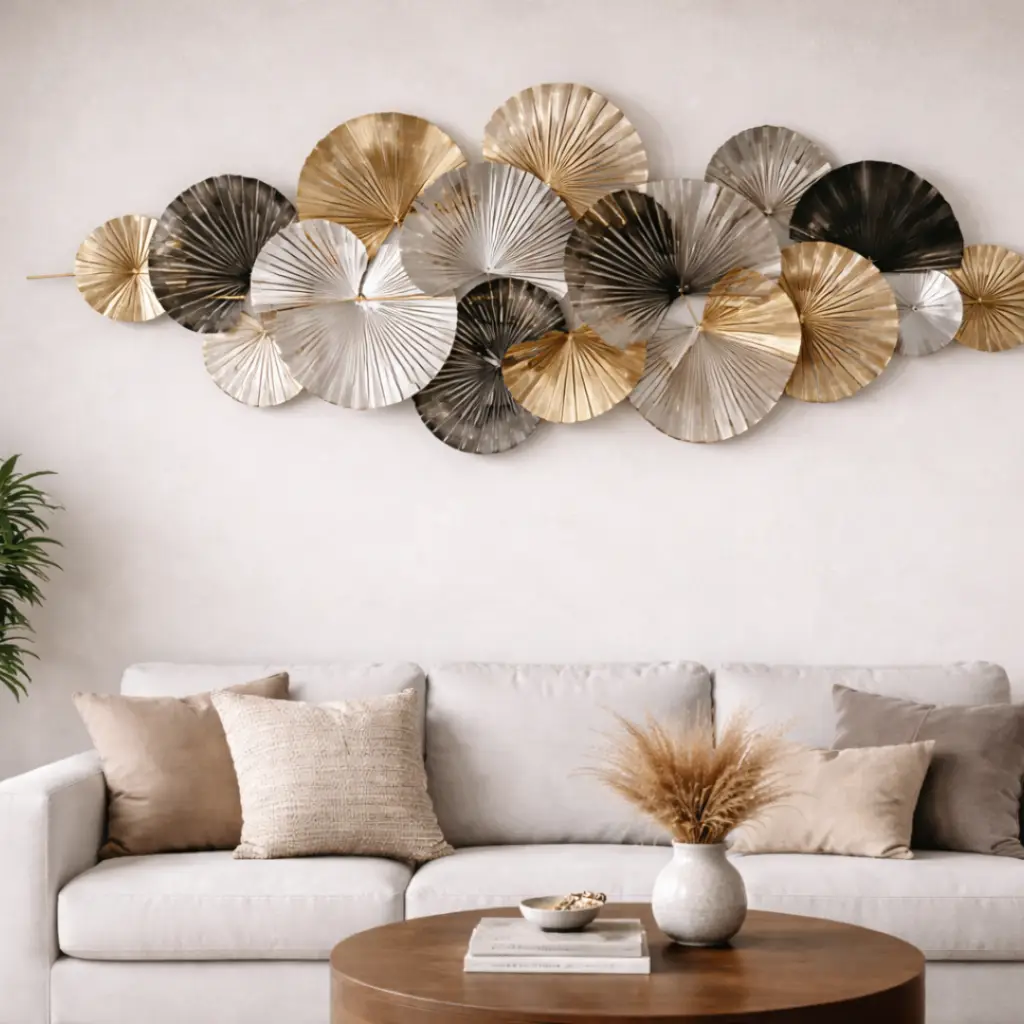
13. Metal Wall Sculptures
Metal artwork introduces industrial sophistication and contemporary edge to your living room. Whether you gravitate toward abstract geometric forms, nature-inspired designs, or minimalist line work, metal sculptures create striking focal points with their interplay of solid form and negative space.
The material itself—brushed steel, oxidized copper, matte black iron, contributes as much to the aesthetic as the design. These pieces work exceptionally well in modern and industrial spaces, adding artistic impact without the softness of canvas or paper. Look for pieces with dimensional depth that cast interesting shadows and change character as light shifts throughout the day.
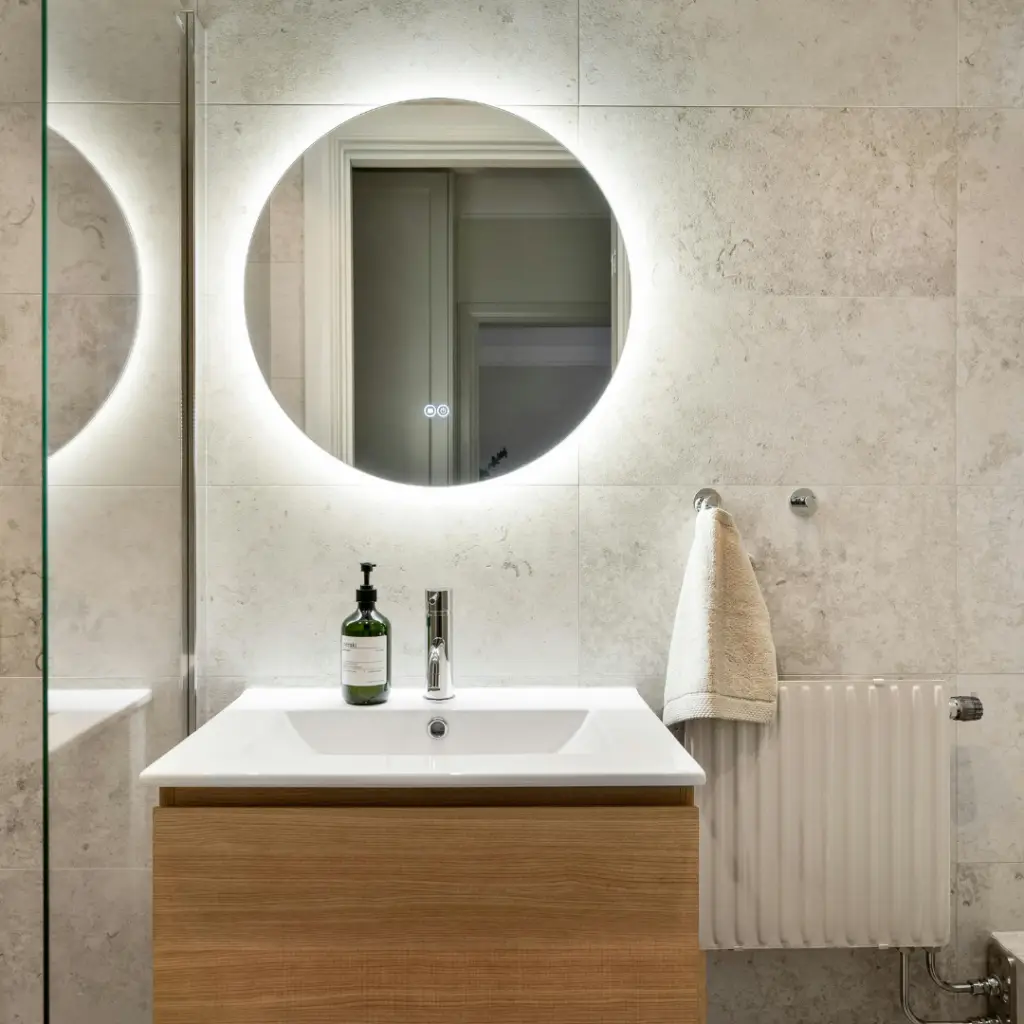
14. Round Mirror with Accent Lighting
Circular forms soften the angular geometry inherent in most room architecture, and a round mirror delivers this effect with practical elegance. When paired with accent lighting, sconces flanking either side or a backlit LED halo, your mirror transcends mere reflection to become an illuminated focal point.
This combination works beautifully in spaces dominated by rectangular furniture and linear elements, introducing curved lines that create visual balance. The lighting element adds ambient glow that enhances evening atmosphere while highlighting the mirror as an intentional design choice rather than purely functional addition.
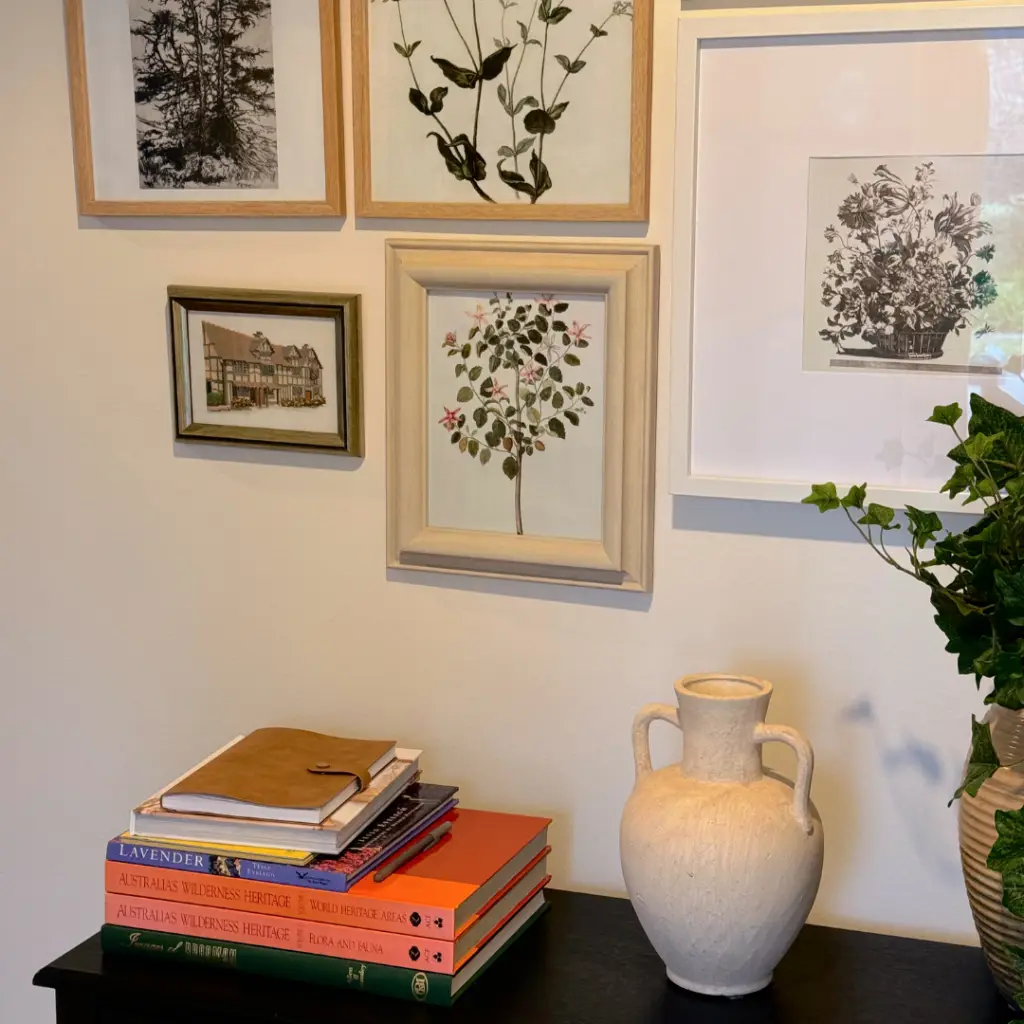
15. Botanical Print Collection
For those who love nature but prefer the predictability of static art, botanical prints offer timeless elegance rooted in natural beauty. Vintage-style illustrations of leaves, flowers, and plant specimens bring a soft, organic aesthetic that works across design styles from traditional to contemporary.
Create cohesion through consistent framing and matting choices while varying the botanical subjects. This approach introduces natural color palettes and organic forms without the maintenance requirements of living plants, perfect for creating serene, biophilic spaces that connect you to nature indoors.
Frequently Asked Questions
How do I choose the right wall decor style when I’m drawn to multiple aesthetics?
The key is identifying a unifying thread that allows different styles to coexist harmoniously. Start by analyzing what specifically attracts you to each aesthetic: is it the color palette, the texture, or the mood? Many successful spaces blend styles through a consistent element: perhaps mixing modern gallery walls with boho textiles by maintaining a cohesive color story, or combining farmhouse wood panels with contemporary abstract art through shared neutral tones. Create a mood board with all your favorite ideas and look for natural connections. Remember, the most compelling interiors often defy single-style categories, reflecting a curated eye rather than catalog conformity.
What’s the ideal height for hanging wall art and how do I determine proper spacing?
The standard rule places artwork so its center sits at 57-60 inches from the floor, eye level for the average person. However, context matters enormously. Above sofas, leave 6-8 inches between the furniture top and artwork bottom to create a visual connection without crowding. For gallery walls, start with your central or largest piece at eye level, then build around it, maintaining 2-3 inches between frames for cohesion without congestion. In rooms with high ceilings, you may adjust slightly higher to maintain proportion with the architecture. Always mock up your arrangement with paper templates before committing to nail holes; this allows you to refine spacing and composition risk-free.
How can I make a statement with wall decor on a limited budget?
Strategic impact doesn’t require unlimited funds. Painted geometric designs cost only paint and tape but deliver custom results. Thrift vintage frames and spray paint them in uniform colors for cohesive gallery walls at a fraction of retail costs. Print high-resolution digital art from independent artists or public domain sources, then frame it affordably at craft stores during sales. Floating shelves styled with existing books, plants, and thrifted objects create dimensional interest inexpensively. Focus your budget on one statement piece, an oversized mirror or bold canvas, and build around it with budget-friendly options. The design enthusiast’s advantage is recognizing that thoughtful curation and composition matter more than price tags.
Should I decorate all my living room walls or focus on one accent wall?
This depends entirely on your room’s architecture and your design confidence. Accent walls work beautifully when you want to highlight architectural features, create focal points, or experiment with bold treatments without overwhelming the space. They’re particularly effective in open-concept areas where one decorated wall defines the living zone. However, thoughtfully decorated multiple walls create immersive, gallery-like environments that feel intentionally designed rather than tentatively decorated. The deciding factor: if you’re using bold patterns, dramatic textures, or intense colors, contain them to one wall. If you’re working with subtle textures, curated art collections, or complementary elements, embrace multiple walls. Consider your room’s natural focal point, fireplace, large window, and primary seating area, and build your wall decor strategy around enhancing rather than competing with it.