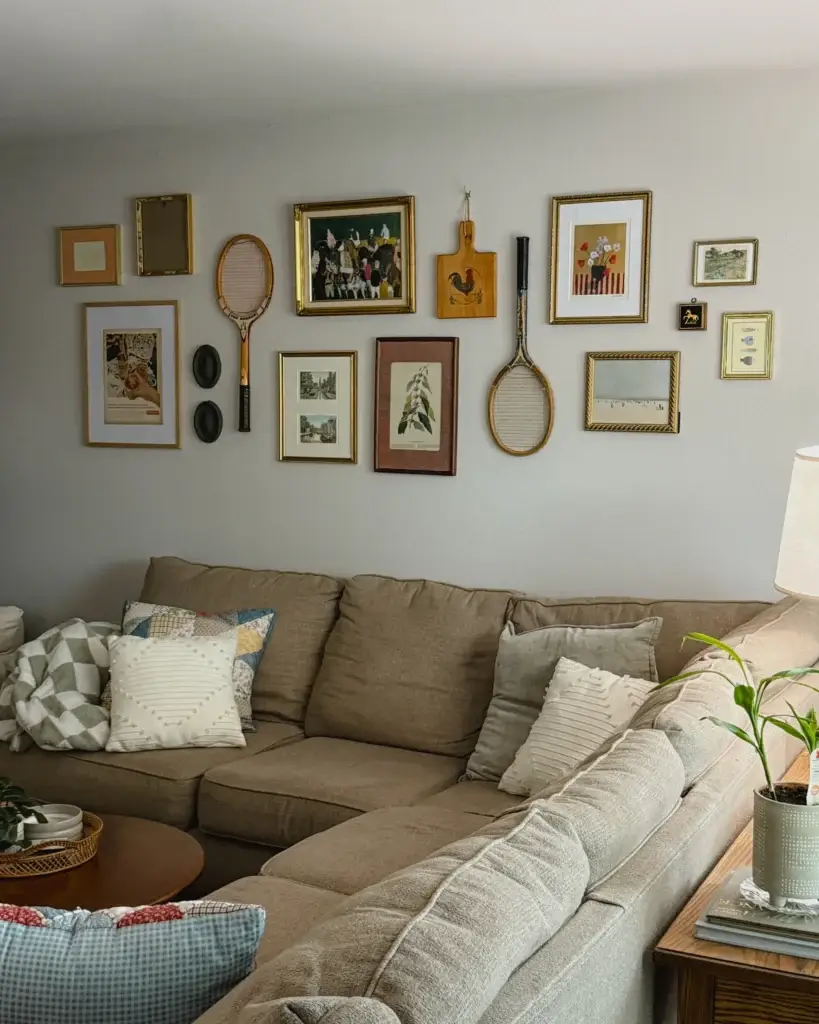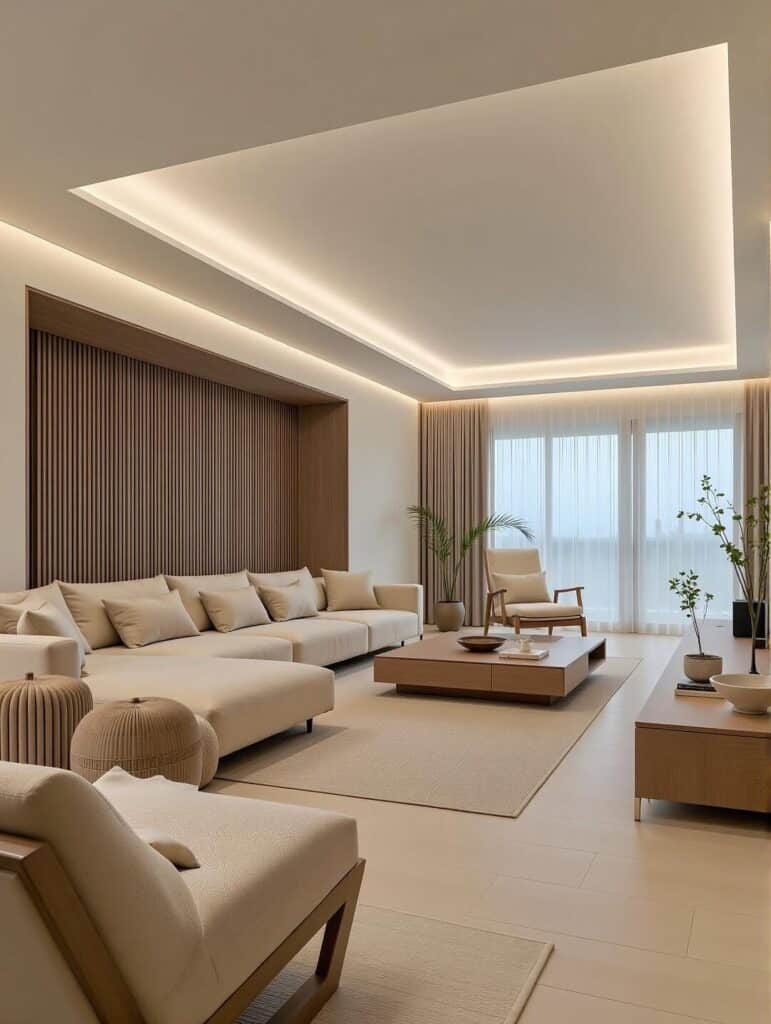
Renting doesn’t mean you have to live in a bland, bare space. You can style your living room beautifully without putting your security deposit at risk. In this guide, you will learn practical, damage-free ways to decorate a rental apartment living room that looks intentional, stylish, and completely reversible.
1. Check Your Lease and Set Clear Limits
Before you buy a single thing, open your lease and read it carefully. Many renters skip this step and regret it later. Your lease is the rulebook, and breaking it can cost you money when you move out.
What to look for in your lease:
- Rules about hanging nails or wall anchors
- Whether you are allowed to paint walls
- Any exceptions your landlord has agreed to in writing
- Fees or conditions tied to wall damage
Some landlords are flexible. If you want to paint or hang something heavy, ask first and get the answer in writing. A quick email or text message gives you a record you can refer back to.
Once you know your limits, set a budget and list your priorities. Decide what matters most in your living room. Is it art? A good TV setup? Better storage? Window treatments? Ranking your needs helps you spend money on things that make the biggest difference.
2. Measure and Plan Your Layout First
Skipping the measuring step is one of the most common decorating mistakes. You end up buying furniture that does not fit or blocking a door by accident. A few minutes with a tape measure saves you hours of frustration.
Measure everything that matters:
- Wall widths and heights
- Window sizes and placements
- Door swings (how far each door opens into the room)
- The footprint of any furniture you plan to bring in
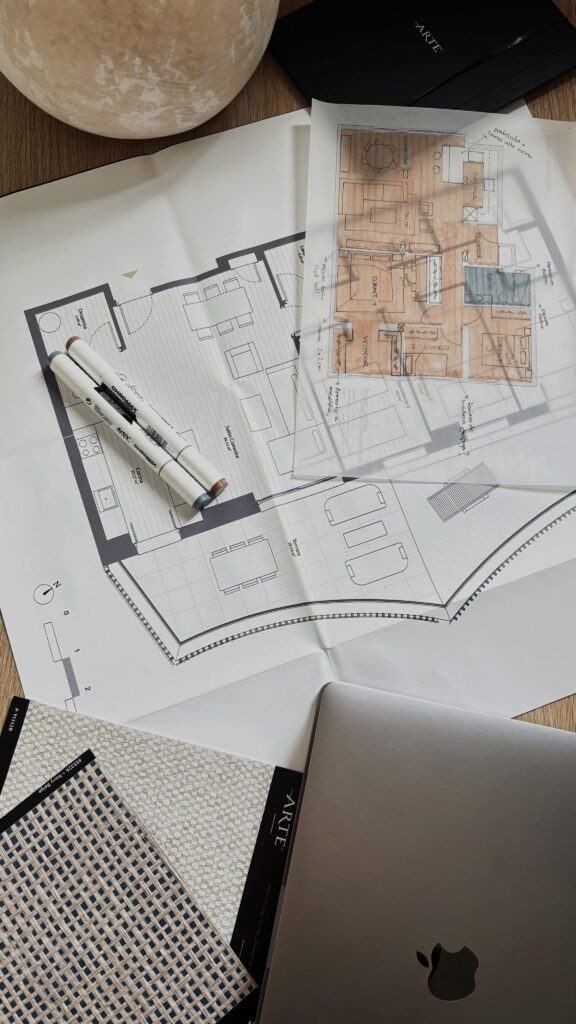
Once you have your numbers, sketch a rough layout on paper or use a free app like Magicplan or RoomSketcher. Move things around on paper first, not in real life. This helps you figure out where furniture should go before you start dragging it across the floor.
Next, pick one focal point in the room. This could be a large wall, a window with good light, or the area where your sofa naturally sits. Concentrating your styling energy in one spot creates a cohesive look. It also reduces the urge to spread decor everywhere, which can make a room feel cluttered.
3. Damage-Free Ways to Hang Art, Mirrors, and Frames
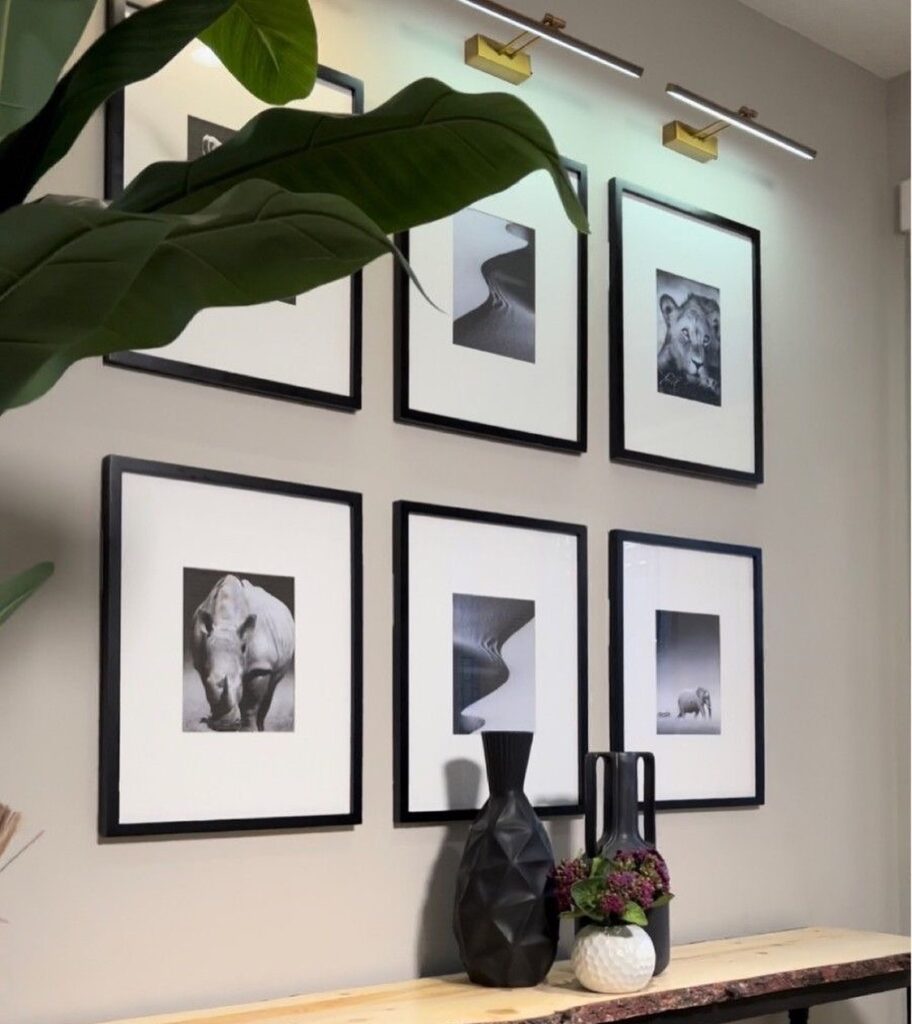
This is the section most renters worry about most. The good news is that you have several reliable options that leave walls clean. You do not need a single nail to create a beautiful gallery wall.
Command Strips and Hooks
Command strips are the most popular damage-free hanging tool for renters. They work well for lightweight frames, small mirrors, and decorative hooks. Always check the weight limit on the package before you hang anything. Exceeding the limit is the number one reason Command strips fail.
Follow these steps for best results:
- Clean the wall surface with rubbing alcohol and let it dry fully
- Press the strip firmly against the wall for 30 seconds
- Wait at least one hour before hanging anything on it
- Do not hang in high-humidity areas like near a window that opens frequently
Removable Picture Hanging Strips
For a gallery wall, use removable picture hanging strips instead of nails. These come in pairs and interlock to hold frames securely. They are strong enough for most standard picture frames and easy to remove when you move out. Just pull the tab down slowly, and the strip releases without pulling off paint.
Tips for a clean gallery wall:
- Lay your frames on the floor first to plan the arrangement
- Use painter’s tape on the wall to mark positions before sticking anything
- Stick to lightweight frames made of wood or plastic, not heavy metal
Washi Tape and Mounting Putty
For very lightweight prints or paper art, washi tape is a stylish option. It comes in dozens of colors and patterns, and it peels off walls cleanly. You can use it to frame prints directly on the wall without any frame at all.
Removable mounting putty, such as Blu-Tack, also works well for light pieces. Press it gently onto the back of the print and smooth it onto the wall. It holds surprisingly well and removes without leaving marks on most painted walls.
4. Removable Wall Coverings and Accents
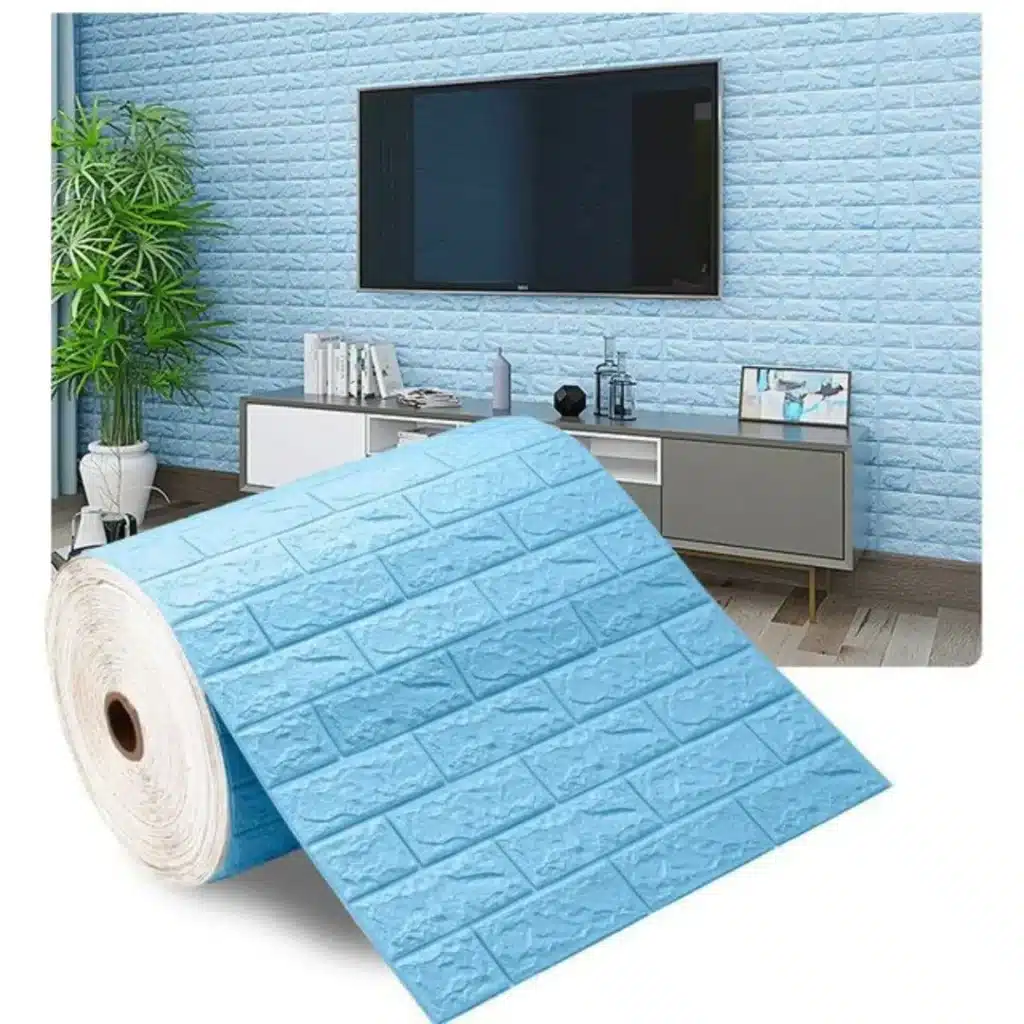
Plain white walls are the most common rental complaint. The fix does not have to involve paint. There are several removable wall products that transform a space completely and peel off cleanly when you leave.
Peel-and-Stick Wallpaper
Peel-and-stick wallpaper has improved dramatically in recent years. Modern versions go on smoothly, stay flat, and come off without damaging paint underneath. Use it on one feature wall behind your sofa or TV console for maximum visual impact.
How to apply peel-and-stick wallpaper correctly:
- Clean the wall surface and let it dry for 24 hours
- Start from the top and work downward in vertical strips
- Smooth out air bubbles as you go with a credit card or wallpaper smoother
- Trim excess at the baseboards with a craft knife
When it is time to move out, peel from the top corner and pull at a low angle. Go slowly. Most brands recommend warming the paper with a hair dryer first to loosen the adhesive.
Removable Wall Decals
Wall decals are a simpler option if full wallpaper feels like too much. They come as individual shapes, botanical prints, abstract patterns, and even faux brick or shiplap designs. Apply them to a clean wall and reposition as needed before pressing them down firmly.
Decals work especially well above a console table, behind a shelving unit, or as a border near the ceiling to simulate crown molding.
Temporary Fabric Panels
Fabric panels add warmth and texture that paint and wallpaper cannot always match. Use a tension rod mounted inside a window frame or a curtain rod hung with adhesive hooks to display large fabric panels. You can swap them out seasonally without touching the wall at all.
Look for heavyweight fabrics like canvas, linen, or tapestry weaves. Lighter fabrics tend to sag or shift, especially in rooms with open windows.
5. Window Treatments Without Drilling
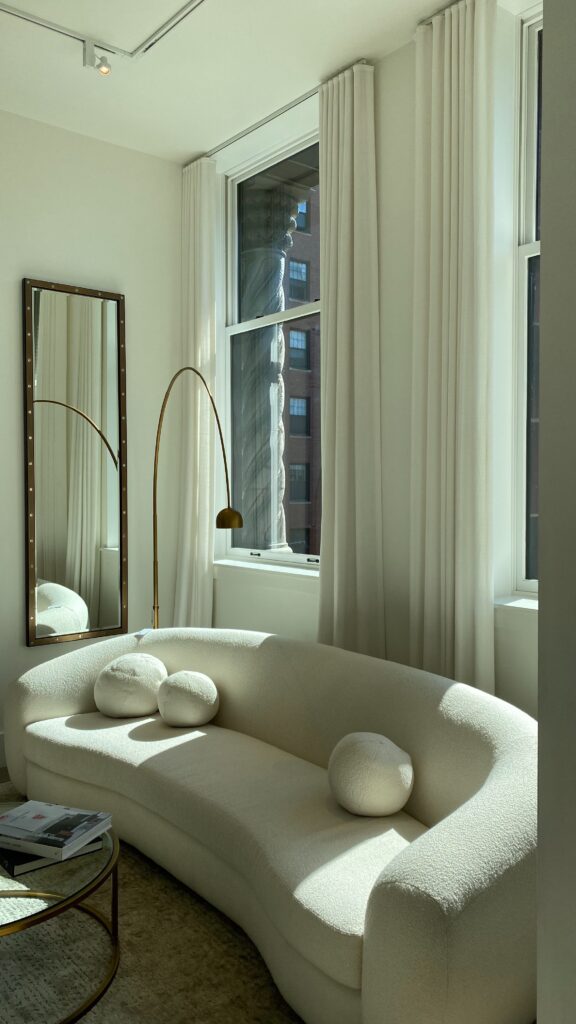
Curtains make a massive difference in how a room feels. They add height, softness, and privacy. The challenge for renters is that most curtain rods require drilling into the wall or window frame. Fortunately, there are solid drill-free alternatives.
Tension Rods
Tension rods are the easiest no-drill option. They expand to fit inside the window frame and hold in place with pressure. They work best for lightweight curtains, sheer panels, and café-style half curtains.
Here is how to get the most out of tension rods:
- Choose a rod rated for more weight than your curtain actually is
- Check the fit weekly and re-tension if the rod slips
- Use rubber end caps or add a strip of grippy shelf liner to prevent sliding
Tension rods do have limits. They are not ideal for heavy blackout curtains or wide windows. For those situations, consider the next option.
Adhesive Curtain Rod Brackets
Several brands now make curtain rod brackets that attach to the wall with strong adhesive instead of screws. Look for brackets rated for your curtain weight and install them above the window frame on the wall, not directly on the trim. This gives you a true full-length curtain look without drilling.
Hanging Curtains High for the Illusion of Height
One of the easiest design tricks in any room is hanging curtains close to the ceiling rather than just above the window. This draws the eye upward and makes the room feel taller. It works in rental apartments just as well as in owned homes.
Use adhesive hooks near the ceiling line and hang a lightweight curtain rod across them. Keep your curtain fabric light and floor-length. Even a small room looks significantly more spacious with this one change.
6. Freestanding Furniture and Vertical Solutions
When you cannot touch the walls, furniture does the heavy lifting. The right pieces can create structure, storage, and style all at once. The key is choosing items that stand on their own and look intentional doing it.
Tall Bookcases and Shelving Units
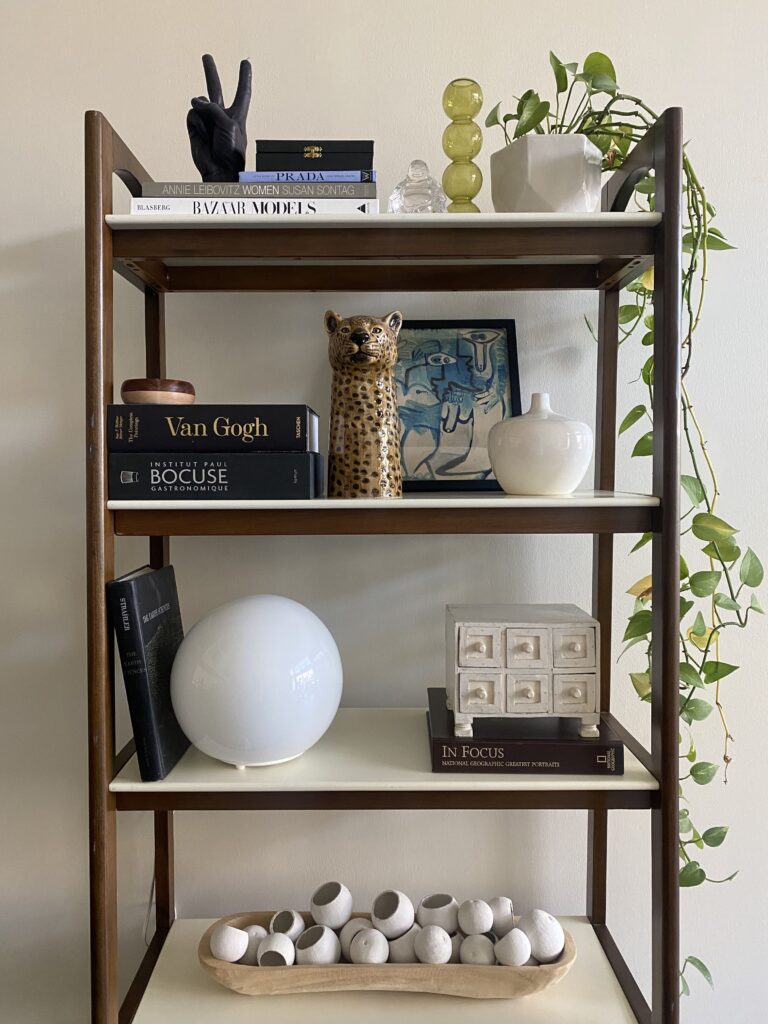
A tall, narrow bookcase instantly adds vertical interest to a flat wall. It draws the eye upward and gives you display space without a single nail. Brands like IKEA, Target, and Wayfair offer affordable options that assemble easily and look great styled with books, plants, and small objects.
One important safety note: tall bookcases can tip forward, especially in homes with children or pets. Use anti-tip furniture straps to secure them, but attach the strap to the back of the bookcase itself, not the wall. Some straps come with floor anchor options that are a safer alternative for renters.
Leaning Shelves and Ladder Shelves
Leaning shelves are one of the most renter-friendly furniture pieces available. They rest against the wall at an angle and require no fixing at all. Ladder shelves work the same way and have a clean, modern look that suits most living room styles.
Use these pieces to display:
- Small framed photos and art prints
- Trailing plants like pothos or string of pearls
- Books stacked horizontally and vertically for variety
- Candles, small sculptures, or decorative boxes
Room Dividers and Console Tables
If your rental has an open floor plan, a room divider or decorative screen helps create zones without walls. Place one between your living area and dining space, or use it to hide a cluttered corner. A console table placed behind a sofa also adds a natural boundary between spaces and gives you a surface for lamps and decor.
7. TV and Electronics Without Drilling
Mounting a TV on the wall is one of the first things people want to do in a new living room. It looks clean and saves floor space. But wall mounts require large holes and heavy anchors, which most leases prohibit. There are good alternatives that still give you a polished setup.
TV Stands and Media Consoles
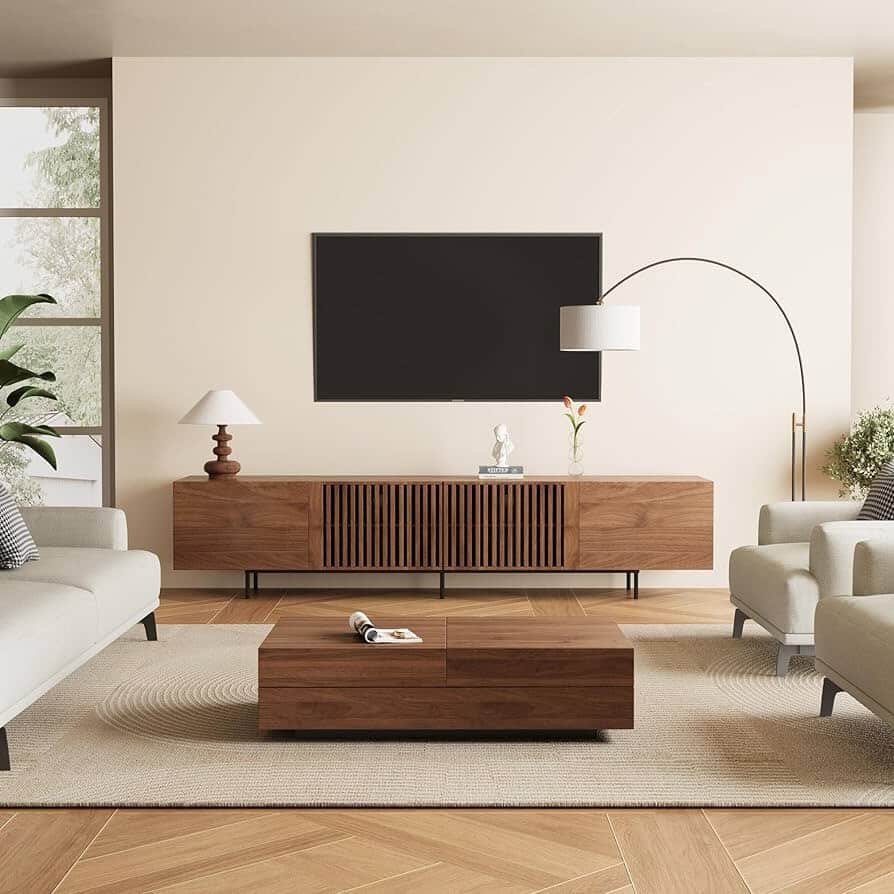
A low-profile TV stand or media console is the most straightforward solution. Choose one with built-in cable management holes at the back so cords stay hidden. A wider console also gives you surface space for a soundbar, streaming devices, and decorative objects on either side of the screen.
Look for consoles with closed storage, like cabinets or drawers. This keeps gaming controllers, remotes, and cables out of sight without adding extra furniture to the room.
TV Easels and Floor Stands
TV easels are a lesser-known option that works surprisingly well in modern living rooms. They look like large artist easels and hold flat screen TVs at a slight angle. They are sturdy, adjustable, and require zero wall contact. Some floor stand models also offer 360-degree rotation, which is useful in open-plan layouts.
Managing Cables Without Drilling
Loose cables running across the floor look messy and can be a trip hazard. Here are clean ways to handle them without drilling into walls:
- Run cords along baseboards and cover them with adhesive cord covers that match your baseboard color.
- Tuck cables behind furniture whenever the layout allows.
- Use a cable management box near the TV stand to bundle and hide power strips and excess cord length.
- Velcro cable ties keep multiple cords grouped neatly together behind furniture.
8. Lighting That Does Not Require Wiring Changes
Rental apartments often have limited built-in lighting. Overhead fixtures are fixed, and adding new wiring is never an option. The good news is that the right combination of portable lighting sources can make a room feel warm, layered, and well-lit without touching a single wire.
Floor Lamps and Clip Lamps
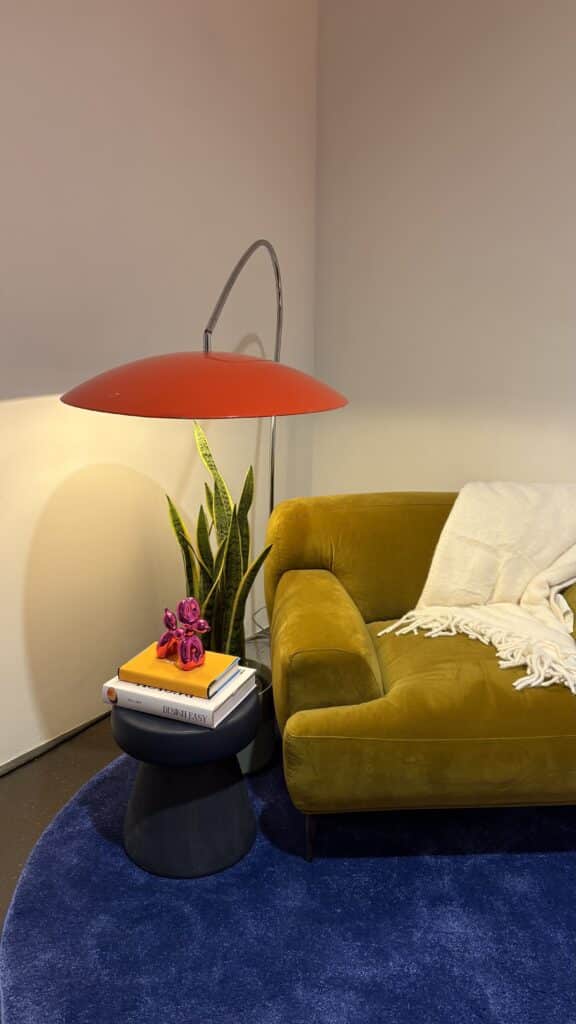
Floor lamps are one of the easiest wins in any rental living room. A tall arc lamp over a reading chair instantly creates a cozy corner. A slim tripod lamp beside the sofa adds warmth and visual interest. Both plug into a standard outlet and move wherever you need them.
Clip lamps are useful in tighter spaces. They attach to shelves, the back of a sofa, or the edge of a bookcase and direct light exactly where you need it. They are especially practical for reading nooks or desk areas inside the living room.
Battery-Powered LED Strips
LED strip lights with removable adhesive backing are a game-changer for renters. Apply them under a shelf, along the back of a TV console, or above a doorframe to create ambient glow. They are available in warm white, cool white, and color-changing RGB options.
When shopping for LED strips, look for strips that specifically mention “removable” or “3M Command” adhesive on the packaging. These come off cleanly and do not leave residue on painted surfaces or furniture.
Plug-In String Lights
String lights are not just for bedrooms and holidays. In a living room, they add a soft, layered glow that overhead lighting cannot replicate. Hang them along the top of a bookcase, drape them over a leaning mirror, or run them behind sheer curtains for a warm backlit effect.
Use removable adhesive hooks to guide the cord along the wall or ceiling. Space the hooks evenly and press each one firmly for at least 30 seconds before running the wire through.
9. Flooring and Rugs to Define Your Space
Rental apartment floors are often plain laminate, vinyl, or low-pile carpet. A rug is one of the highest-impact, lowest-effort changes you can make to your living room. It adds color, texture, warmth, and a sense of structure all at once.
Choosing the Right Area Rug
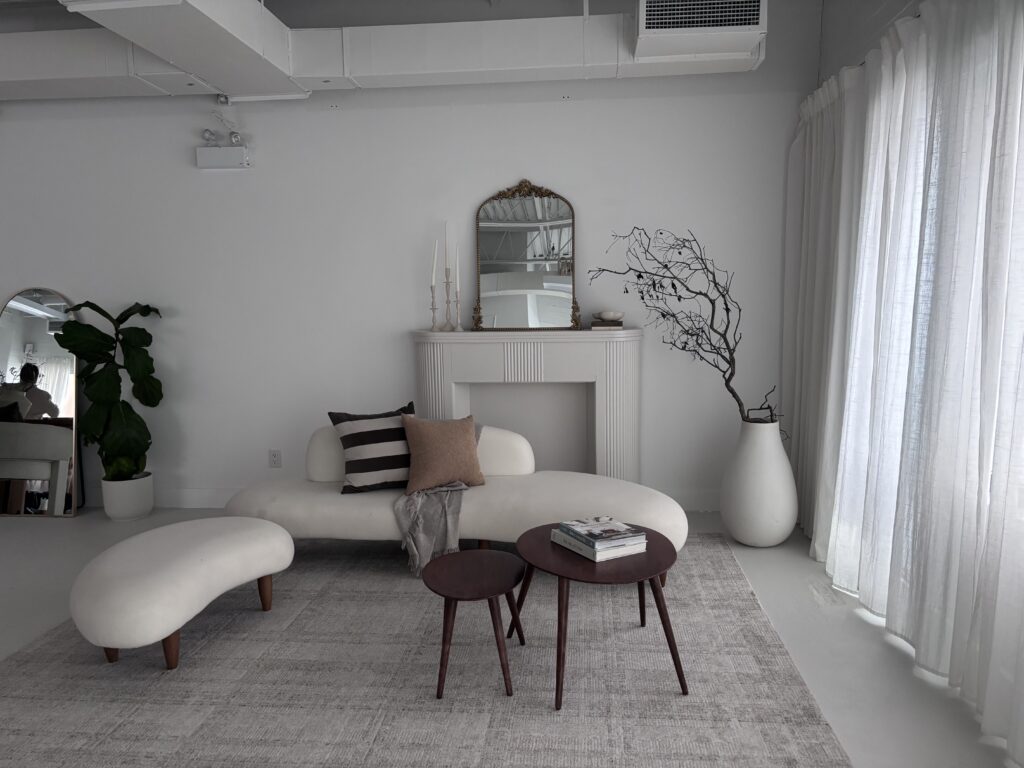
For a living room, bigger is almost always better when it comes to rugs. A large area rug that fits under the front legs of all your seating anchors the space and makes it feel intentional. A rug that is too small looks like it got lost in the middle of the room.
General sizing guide:
- Small living room: 5×8 feet minimum
- Medium living room: 8×10 feet is a strong choice
- Large or open-plan living room: 9×12 feet or larger
Choose a pattern or color that ties your furniture and decor together. If your sofa and walls are neutral, a bold patterned rug is a low-risk way to add personality. If you already have patterned furniture, a solid or subtle textured rug keeps things balanced.
Rug Pads and Floor Protection
Always use a rug pad underneath your area rug. It prevents slipping, which is a safety issue on smooth floors. It also protects the floor surface underneath, which matters when you move out. Some rug backing materials can discolor or stick to vinyl and hardwood over time. A pad creates a barrier between the rug and the floor.
Layering Rugs
Layering a smaller rug on top of a larger one adds visual depth without any permanent changes. Try a flat-weave jute rug as your base and layer a smaller wool or cotton rug on top. This works especially well in eclectic or bohemian-style living rooms.
10. Styling, Art, and Small Decor Details
The small details are what make a living room feel finished. Once your furniture is placed and your walls are handled, it is time to style the surfaces and open spaces. This step is where your personality shows.
Leaning Large Art Against the Wall
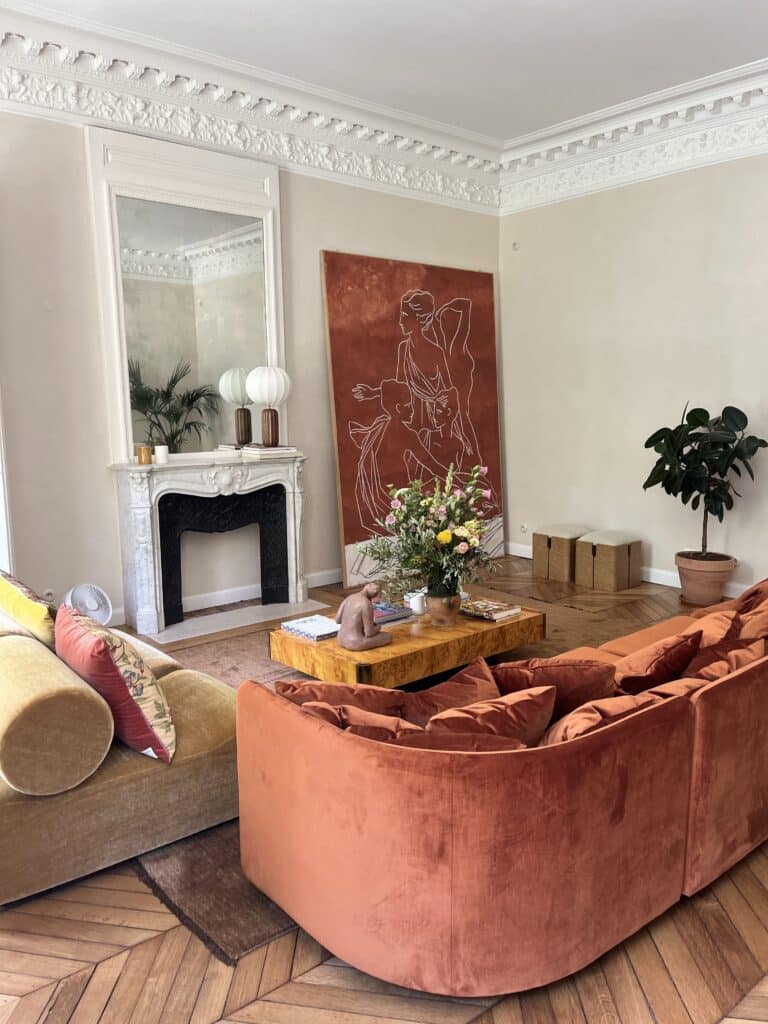
One of the most stylish things you can do in a rental is lean large framed art directly against the wall. This looks intentional, not lazy. A large canvas or framed print leaning on the floor behind a sofa or console table creates a gallery-like effect without a single hole.
Prop the art slightly forward at the top so it does not press flat against the wall. Layer a smaller piece in front of it for added depth. This arrangement works especially well in corners and behind sofas.
Styling Shelves with Varied Heights and Textures
When decorating open shelves, avoid lining objects up at the same height. Vary heights by mixing tall vases with short candles, stacked books with trailing plants, and smooth ceramics with rough woven baskets. Odd numbers tend to look more natural than even groupings.
A simple styling formula for each shelf section:
- One tall element (vase, plant, tall book stack)
- One medium element (framed photo, decorative object)
- One low element (small dish, candle, small sculpture)
Plants, Throws, and Cushions
Plants are one of the best additions to any living room, and they require no wall work at all. A fiddle leaf fig, monstera, or large snake plant in a statement pot adds color and life to a corner instantly. Smaller plants grouped on a shelf or windowsill add texture without taking up floor space.
Throws and cushions are the fastest way to refresh a sofa. Swap them out seasonally to keep the room feeling updated. Stick to two or three coordinating colors rather than mixing too many patterns at once.
11. Storage and Decluttering the Renter-Friendly Way
In a rental, you often have less built-in storage than you would like. The solution is furniture that works double duty and organizational tools that require no installation.
Multi-Use Furniture
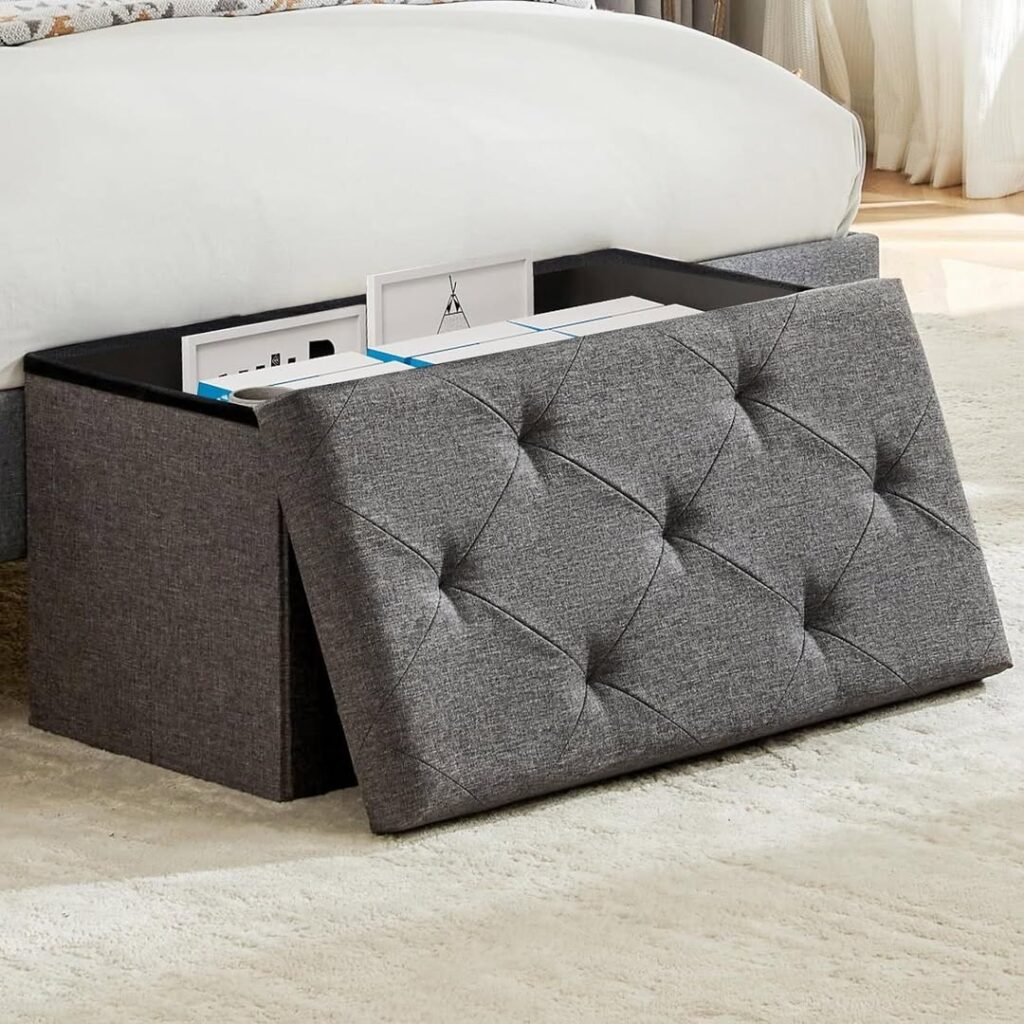
A storage ottoman is one of the most useful pieces you can add to a living room. It serves as a coffee table, extra seating, and hidden storage all in one. Look for ones with a removable lid and a sturdy top surface.
Storage benches along an entryway wall, woven baskets under a console table, and decorative boxes on open shelves all add storage without taking up extra space. Every item that sits in the open should earn its place, either by looking good or being functional.
Over-Door Organizers and Under-Sofa Boxes
Over-door organizers hang on the back of a closet or room door with no drilling needed. They are useful for storing extra throws, board games, remote controls, or small electronics. Under-sofa storage boxes with lids slide in and out easily and use space that is usually wasted.
Keep Surfaces Minimal
A cluttered surface makes even a beautifully decorated room feel chaotic. Limit tabletop decor to three to five items per surface. Rotate decor seasonally instead of keeping everything out at once. This keeps the room looking fresh and gives you an excuse to rediscover pieces you already own.
12. Installation Checklist Before You Start
Before you apply any adhesive product to your rental walls, run through this quick checklist. It takes ten minutes and can save you your full security deposit.
Before installation:
- Test your adhesive on a small, hidden spot on the wall and wait 24 hours. Check for paint lifting when you remove it.
- Read the weight limits on every Command strip, adhesive hook, or hanging strip you plan to use.
- Make sure your wall surface is clean and fully dry before applying anything.
- Measure twice and mark positions with painter’s tape before committing to placement.
Document everything:
- Photograph every wall in the room before you install anything. Do this on move-in day if possible.
- Take close-up photos of any existing scuffs, marks, or damage so you are not blamed for them later.
- Save receipts for every product you use. If a landlord questions a mark, you can show the removal instructions to prove you followed them correctly.
13. Move-Out Preparation and Repairs
Move-out day comes faster than you expect. Leaving your walls in good condition protects your deposit and your rental history. The removal process is just as important as the installation.
Removing Adhesive Products Safely
The biggest mistake renters make is pulling adhesives off too quickly. Always follow the manufacturer’s removal instructions. For Command strips, pull the tab straight down at a slow, steady angle rather than pulling outward from the wall. This releases the adhesive without pulling paint.
If any residue remains after removal, use a small amount of Goo Gone or rubbing alcohol on a soft cloth. Test this on a hidden spot first to make sure it does not affect the paint finish.
Keep Original Hardware and Receipts
If your apartment had curtain rods, hooks, or any hardware when you moved in, keep all of it in a labeled bag. Reinstall everything before you hand back the keys. Landlords often charge replacement fees for missing hardware even if it was something small.
Keep your receipts and product packaging throughout your tenancy. If there is any dispute about wall condition at move-out, you can reference the removal instructions on the original packaging to show you followed proper procedure.
Touch-Ups and Final Repairs
Small scuffs and marks happen even with the most careful renters. For minor paint scuffs, a damp Magic Eraser often removes marks without touching up the paint at all. For slightly deeper scuffs, ask your landlord if they have leftover wall paint from your unit. Many landlords keep touch-up paint on hand.
If the damage is more significant, consider hiring a professional for a clean repair. Document the repair with photos and keep any receipts. This shows good faith and gives you evidence that you took responsibility.
Conclusion
With smart planning and the right products, you can create a living room that feels like home without risking your deposit. Focus on reversible choices, plan your layout before buying anything, and put your energy into a few high-impact, non-damaging changes that make the biggest visual difference.
Frequently Asked Questions
Can I hang curtains in a rental apartment without drilling?
Yes, you can. Tension rods fit inside window frames using pressure alone and require no screws. Adhesive curtain rod brackets are another option for a more traditional curtain look. Both methods are easy to remove and leave no damage behind.
What is the best way to hang art in a rental without leaving holes?
Command strips and removable picture hanging strips are your best options. They hold most standard frames securely and peel off without pulling paint when removed correctly. For very lightweight prints, removable mounting putty or washi tape also works well.
Will I lose my security deposit if I use Command strips?
Not if you use them correctly. Always follow the weight limits, apply them to a clean dry surface, and remove them slowly using the pull tab method. Testing on a small hidden spot before full installation is also a good precaution. Following the manufacturer’s instructions is your best protection.