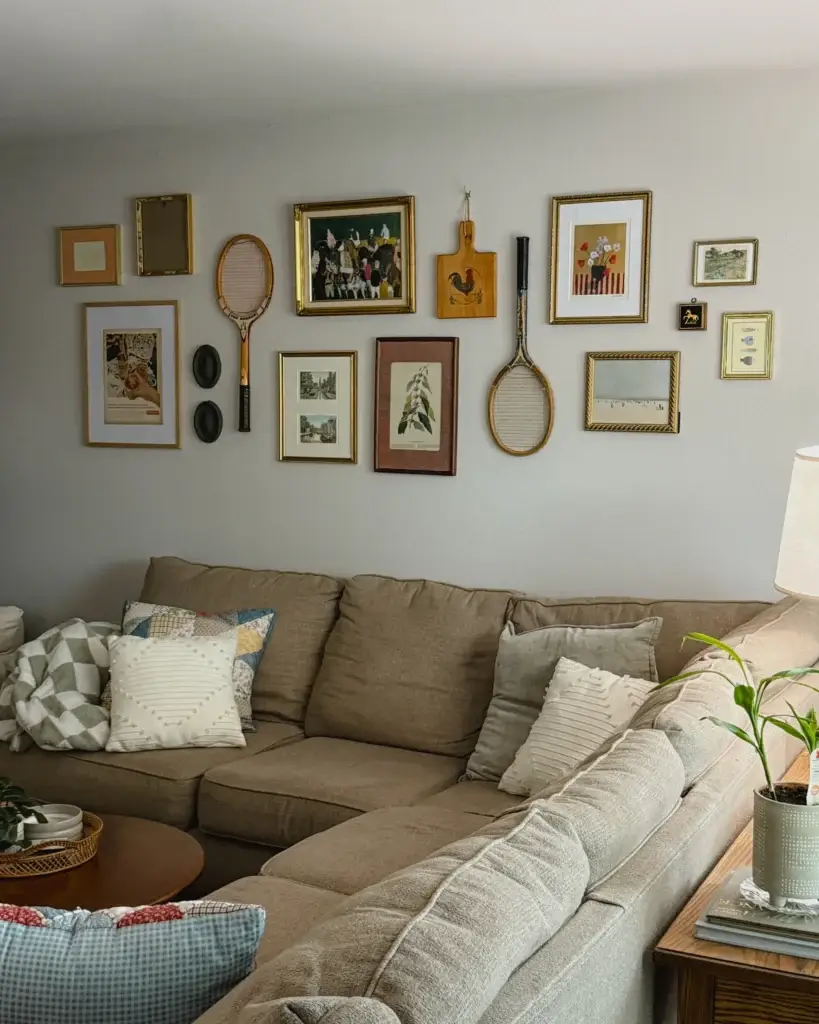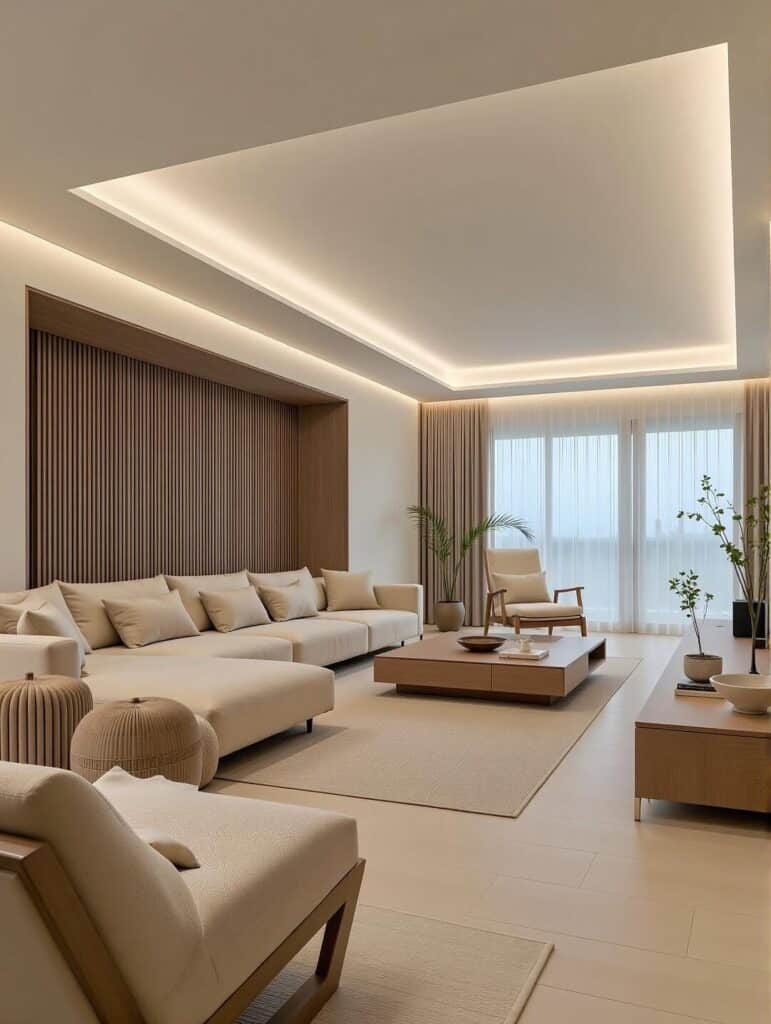
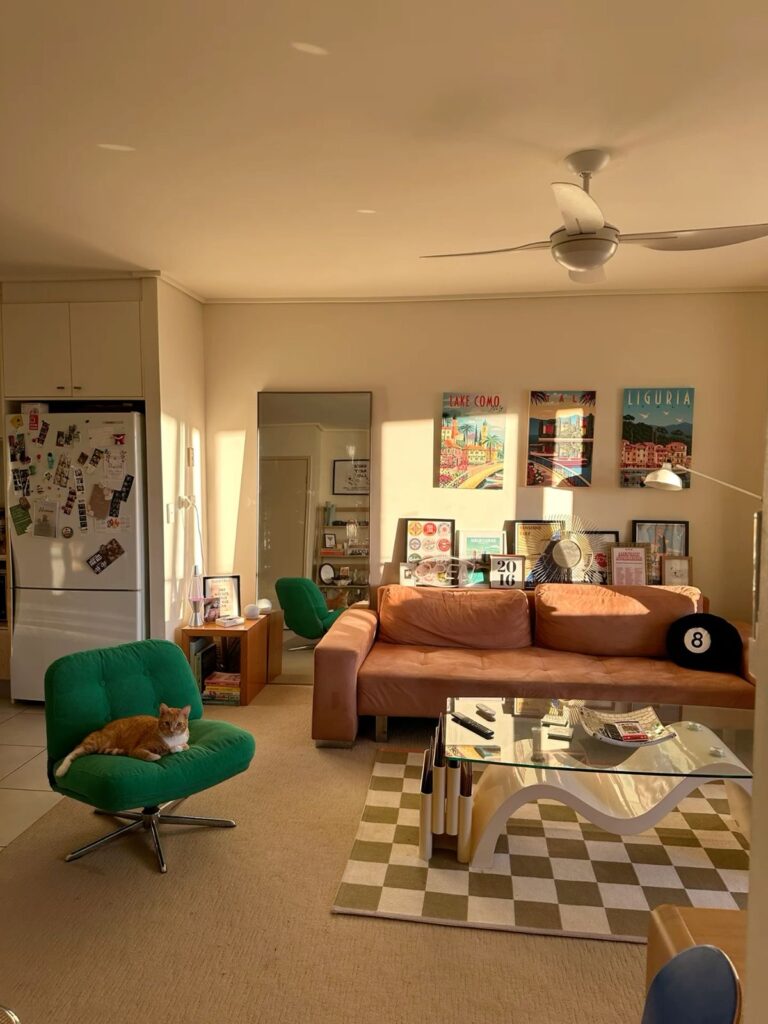
Not every living room comes with a perfect square floor plan and centered windows. Many homes have odd angles, narrow passages, off-center features, or strange proportions that make furniture arrangement feel frustrating. The good news is that an awkward layout does not mean a bad room. It just means you need a smarter plan.
In this guide, you will learn how to read your space, place furniture in the right order, and create a living room that feels comfortable and looks great, no matter the shape.
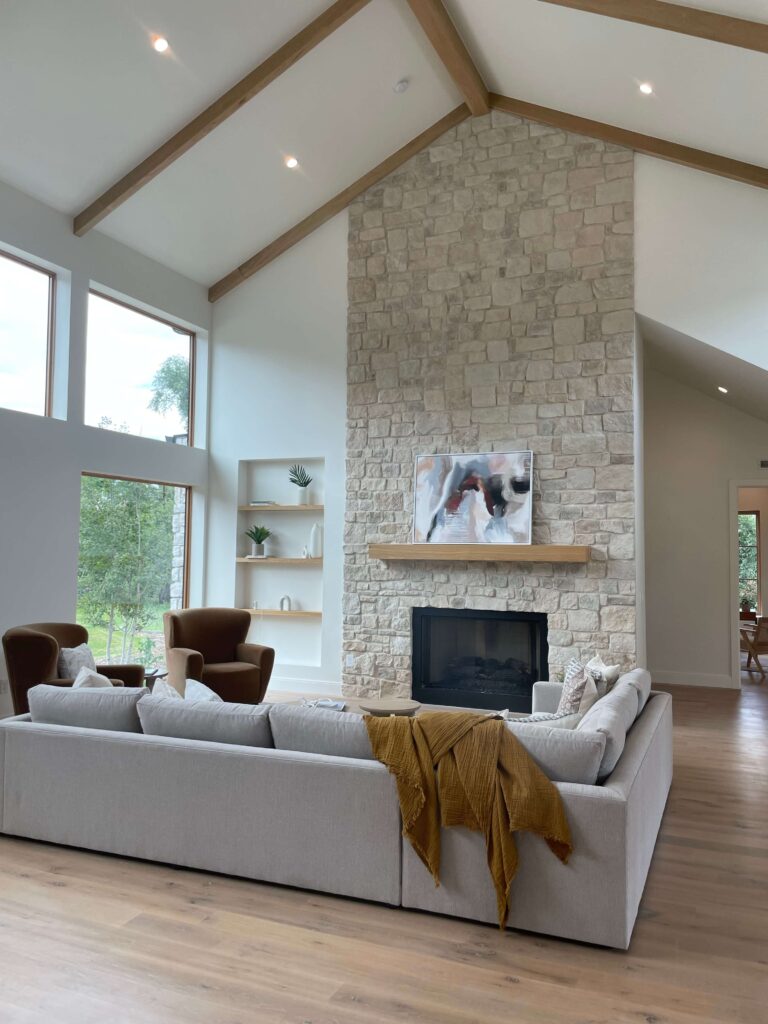
1. Understand the Shape of the Room
Before you move a single piece of furniture, take time to understand what you are working with. Most awkward living rooms feel difficult because the layout has not been properly assessed. Once you know the room’s challenges, you can plan around them.
Identify the Awkward Parts of the Layout
Walk through the room and take note of what makes it feel off. Look for narrow walkways, odd corners, slanted walls, or doors and windows placed in unusual spots. These are the features that will shape your furniture decisions.
Common awkward features include:
- Corners that jut out or cut into the usable space
- Windows or doors placed off-center on a wall
- A fireplace or built-in that is not centered
- Rooms that are much longer than they are wide
- Low ceilings that make the room feel compressed
Once you spot these issues, you can start thinking about how to work with them instead of against them.
Measure the Room Before Moving Anything
Guessing measurements is one of the most common mistakes people make. A sofa that looks like it will fit often does not, and moving heavy furniture twice wastes time and energy. Use a tape measure to note the length and width of the room, the location of doors and windows, and the distance between key features.
Write these numbers down or sketch a simple floor plan on paper. You can also use a free app like RoomSketcher or Planner 5D to map out the space digitally. Having accurate measurements will save you from making costly mistakes before you buy or rearrange anything.
2. Decide the Main Function of the Room
Once you understand the layout, the next step is deciding what the room is primarily for. Trying to make every corner of a living room serve a different purpose often leads to a cluttered and confusing space. Choosing one main function keeps the design focused and the layout clear.
Choose the Primary Use of the Living Room
Ask yourself how you use this room most often. Is it mainly for watching TV? Hosting guests? Relaxing and reading? Your answer will guide every furniture decision that follows.
For most households, the living room serves one of these primary functions:
- A media and entertainment space centered around the TV
- A social space designed for conversation
- A relaxation zone for reading or unwinding
You can still have secondary uses in the room, but pick one as the anchor. Everything else should support that main purpose.
Avoid Trying to Make Every Part of the Room Do Too Much
In a room with an awkward layout, every square foot matters. Adding a reading nook, a home office corner, a play area, and a TV zone into one small or oddly shaped room creates visual chaos. It also makes the space harder to navigate.
Start simple. Set up the main seating or activity area first. Once that feels right, you can add smaller secondary features if the space allows. Keeping the room focused also makes it easier to maintain and style.
3. Create a Focal Point
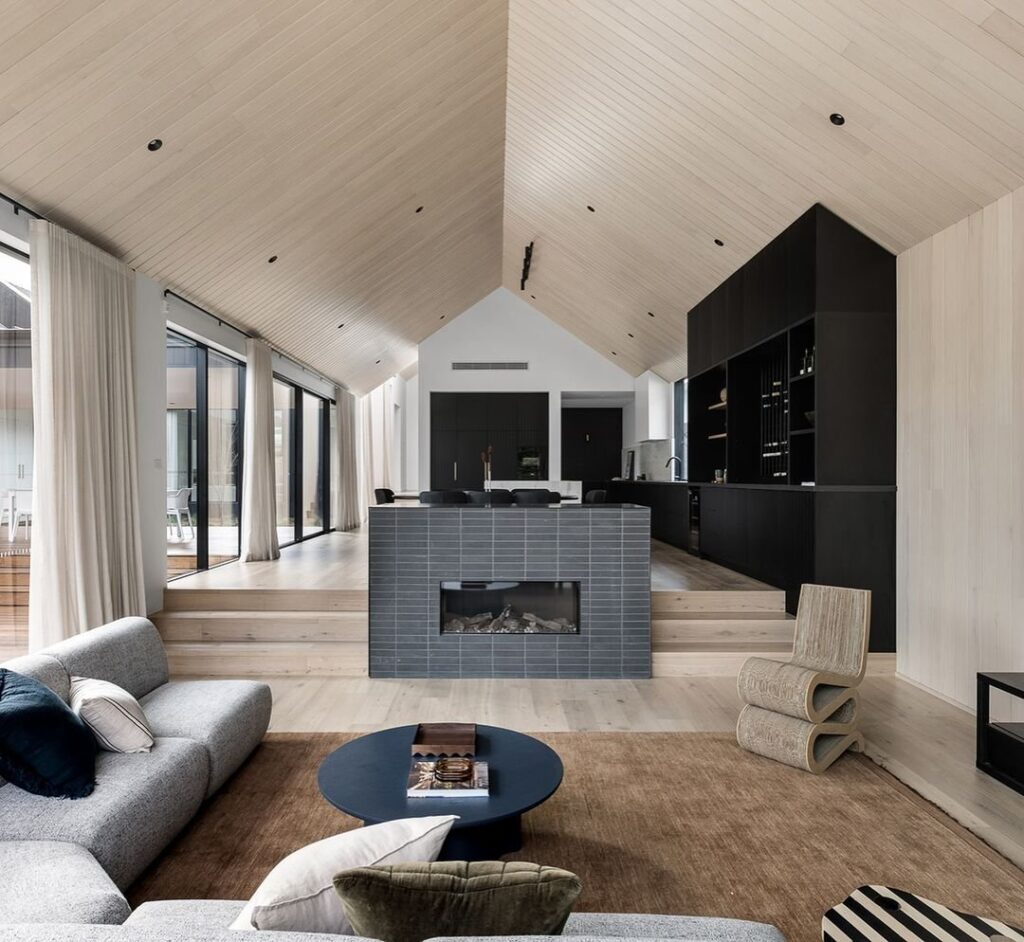
Every well-arranged room has a focal point, which is the visual anchor that draws your eye when you first walk in. In a room with a challenging layout, having a clear focal point creates order. It gives the furniture something to organize around.
Use the Fireplace, TV, Window, or Main Wall as the Anchor
Look for the strongest visual feature in your room. In many living rooms, it is a fireplace or TV wall. It could also be a large window with a good view or a bold accent wall.
If your room does not have an obvious focal point, you can create one. A large piece of art, a gallery wall, or a media console can serve as the anchor. The goal is to give the room a clear starting point.
Arrange the Largest Furniture Around the Focal Point
Once you have identified the focal point, position your largest piece of furniture to face it. In most rooms, this means placing the sofa directly across from the fireplace or TV. This creates an immediate sense of intention and structure.
From there, other seating pieces like chairs, loveseats, or benches should angle toward the same focal point. This creates a cohesive grouping that feels deliberate rather than scattered. Keep the arrangement simple and avoid crowding the area with too many pieces.
4. Place the Largest Furniture First
After choosing your focal point, the next step is placing the largest piece of furniture. Starting with the biggest item prevents you from filling the room with smaller pieces only to find there is nowhere logical for the sofa to go. Work from largest to smallest every time.
Position the Sofa in the Best Possible Spot
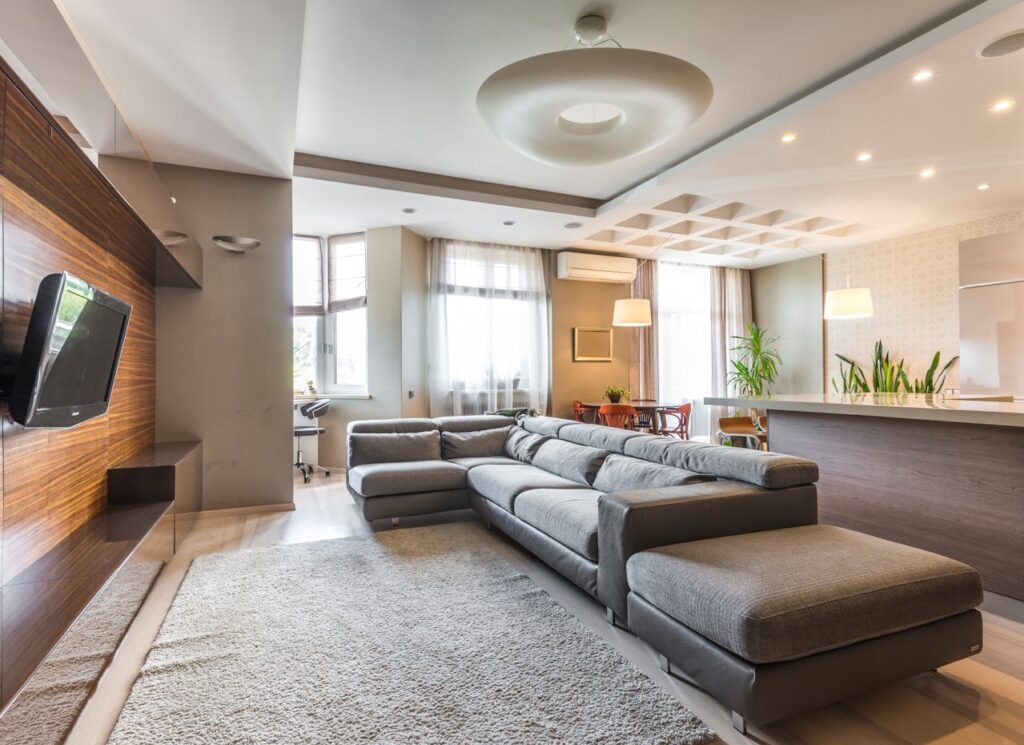
The sofa is usually the largest and most important piece in a living room. It sets the tone for everything else. In most awkward layouts, the best spot for a sofa is facing the focal point, with enough clearance in front for a coffee table and behind for a walking path.
Keep these placement rules in mind:
- Leave at least 18 inches between the sofa and the coffee table
- Allow at least 30 to 36 inches for main walking paths
- Avoid placing the sofa so it blocks a doorway or window
If the room is narrow or oddly shaped, a smaller two-seater or a loveseat may work better than a full three-seat sofa. Forcing a large sofa into a tight space always makes the room feel smaller.
Add Chairs, Loveseats, or Benches Around It
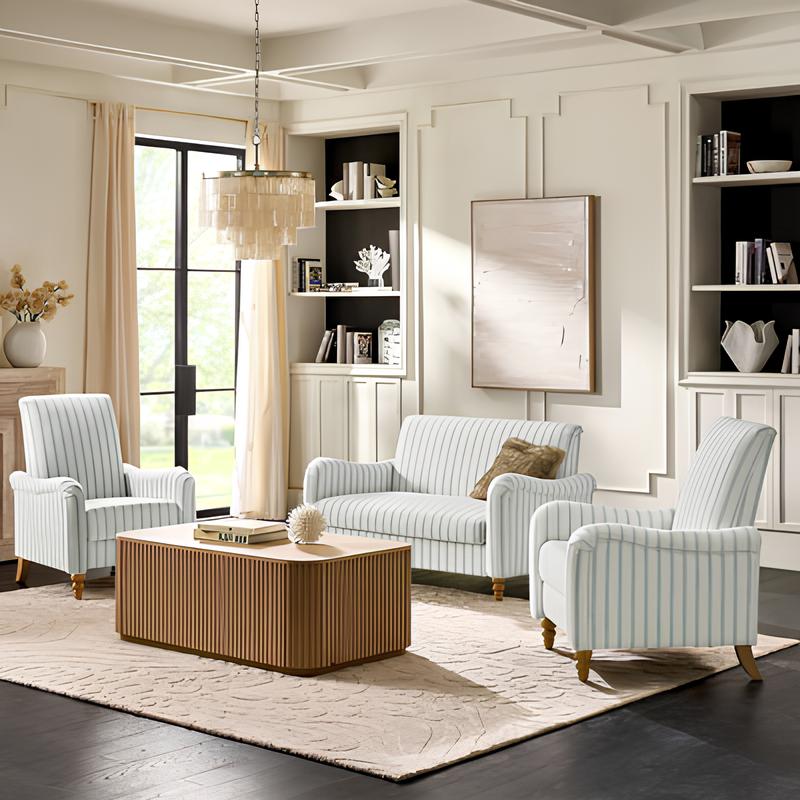
Once the sofa is placed, bring in the secondary seating. Two armchairs flanking a coffee table or placed at an angle to the sofa creates a conversational grouping that feels intentional. A bench at the foot of the sofa can add seating without taking up much space.
Avoid lining every piece of furniture against the wall. This is a common mistake that actually makes rooms feel smaller, not larger. Pulling furniture slightly away from the walls creates breathing room and makes the space feel more relaxed and livable.
5. Use the Right Layout for the Room Shape
Different room shapes call for different furniture arrangements. What works in a wide square room will not work in a long narrow one. Matching your layout to the shape of the room is one of the most effective ways to solve awkward living room problems.
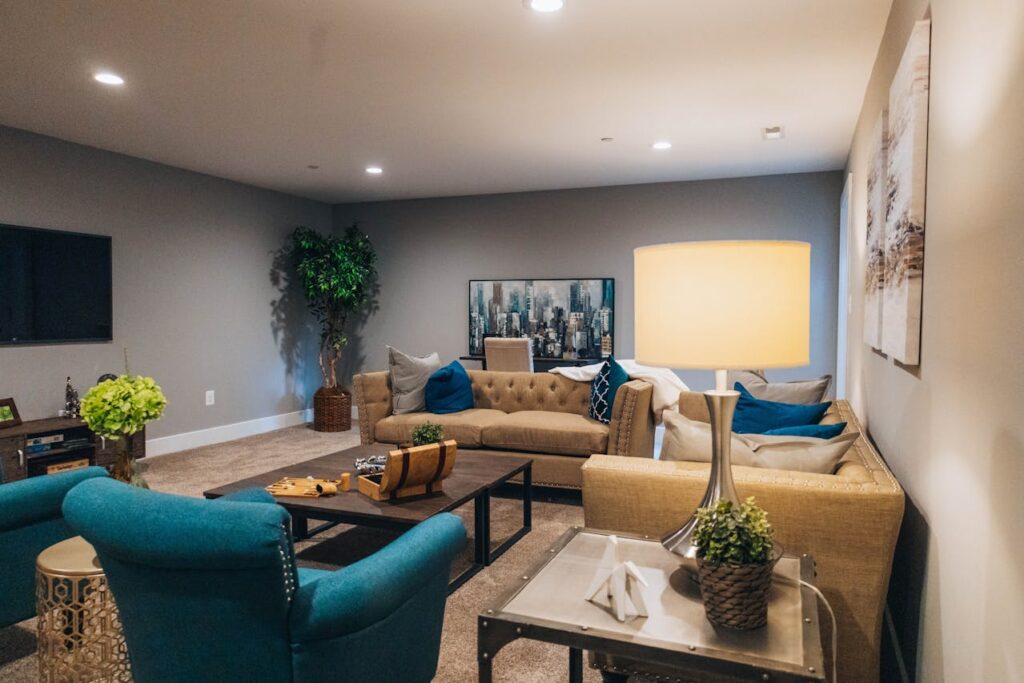
Long Narrow Room
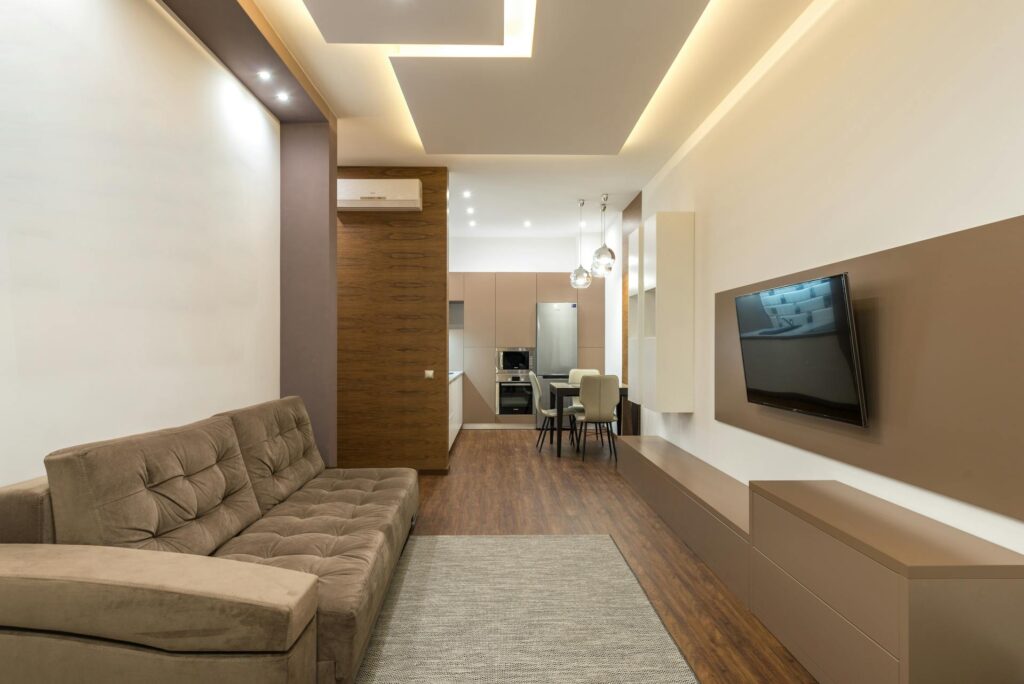
In a long narrow room, the biggest challenge is preventing the space from feeling like a hallway. The key is to break the room into two distinct zones rather than stretching one seating group down the length of the room.
Place the main seating area in one half of the room, focused around the focal point. Use a rug to anchor this zone. Then use the other half for a secondary function like a reading chair, a console table, or a small workspace. Keeping the two zones visually separated but connected creates balance in a tricky layout.
Small Square Room
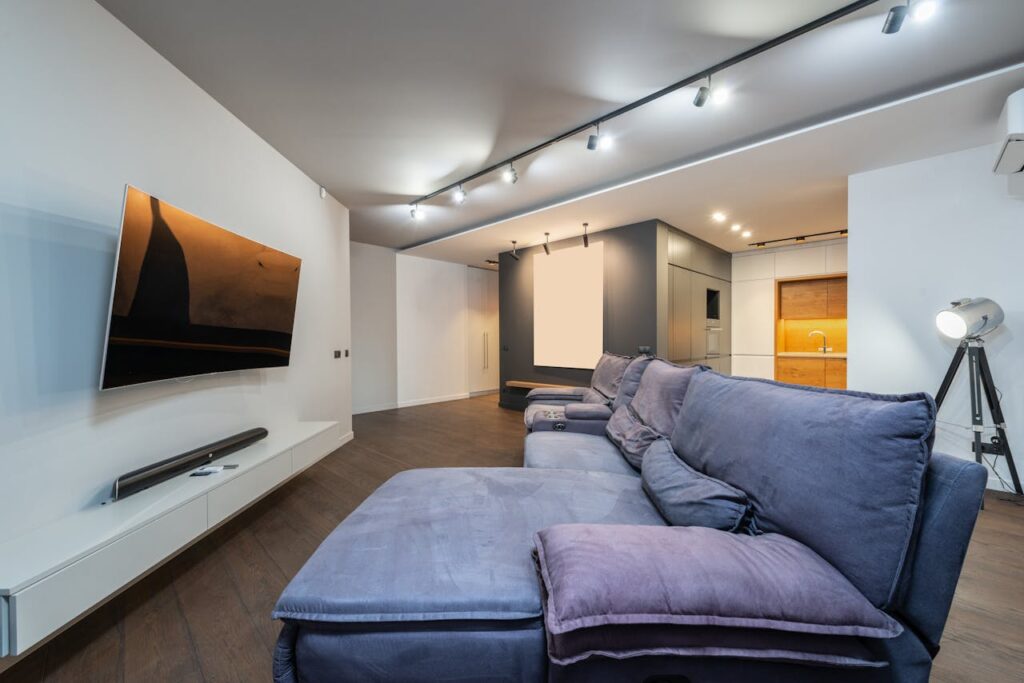
Small square rooms can feel boxy if the furniture is arranged without intention. The goal here is to keep things light, open, and centered. Choose a sofa and one or two chairs instead of a full sectional, and make sure there is enough floor space to move around freely.
A round coffee table works especially well in a square room because it softens the angular feel. Avoid sharp corners pointing into walkways, and keep decor minimal to prevent the space from feeling cluttered.
L-Shaped Living Room
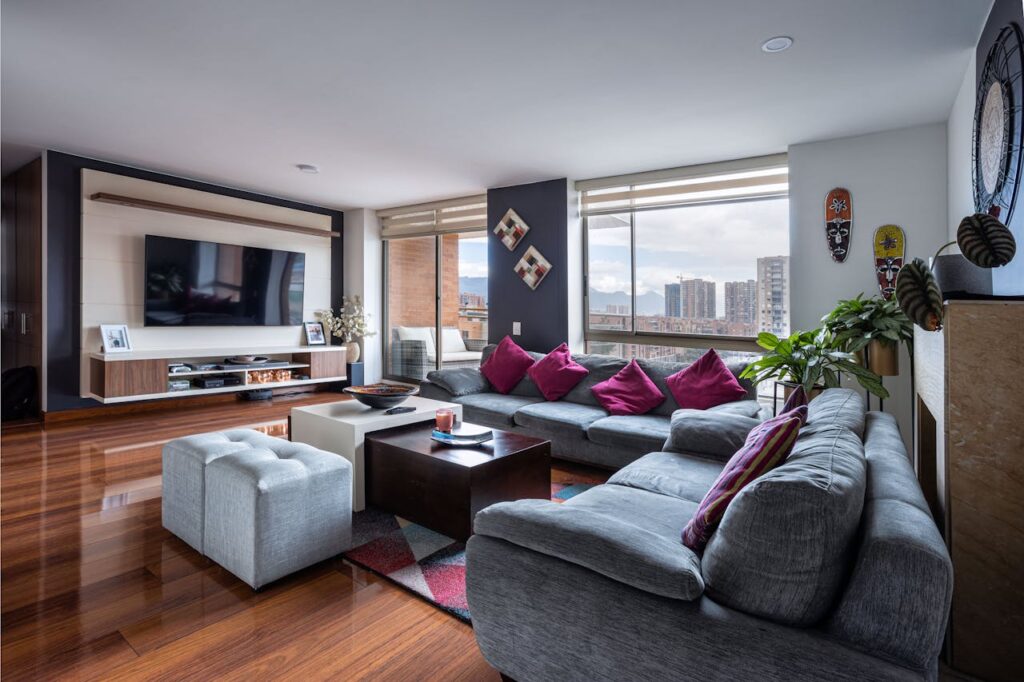
An L-shaped room has two distinct sections that need to feel connected. Use the larger section for the main seating area and the smaller wing for a secondary use like a reading corner, a desk, or a dining spot. A sectional sofa can work beautifully here if one section follows the bend of the room.
A large area rug in the main seating zone helps define the space and anchor the furniture. Make sure the rug is large enough to sit under the front legs of all seating pieces. This creates cohesion and prevents the two sections from feeling completely disconnected.
Open-Plan Living Room
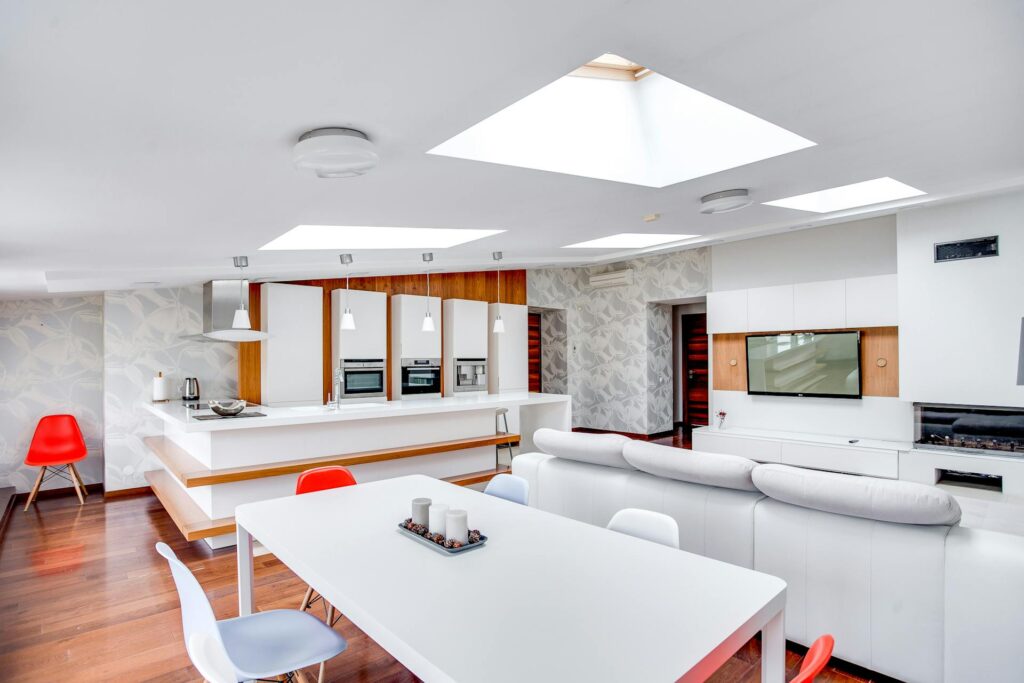
Open-plan spaces can feel overwhelming because there are no walls to define where the living room ends and the kitchen or dining area begins. The solution is to use furniture itself as the boundary.
Place the sofa with its back to the kitchen or dining area. This signals where one zone ends and another begins without adding walls or dividers. A large rug under the seating group reinforces the boundary. Keep the arrangement tight and intentional so the living room does not feel like it is floating in an empty space.
Room with Corners or Awkward Angles
Oddly angled rooms are tricky because standard rectangular furniture does not always fit neatly against diagonal or jutting walls. The best approach is to use the awkward corner as a feature rather than trying to hide it.
A tall floor lamp, a potted plant, or a slim accent chair can turn a dead corner into a purposeful moment. For jutting walls or strange angles, floating furniture away from the wall slightly can make the layout feel more natural. You do not have to fill every corner. Sometimes leaving a small corner open makes the room feel more spacious.
6. Keep Traffic Flow Clear
A well-arranged room is not just about how it looks. It is also about how it functions. If people have to squeeze between furniture or dodge obstacles to get from one side of the room to the other, the layout is not working. Good traffic flow makes the room feel comfortable and easy to use every day.
Leave Clear Walking Paths
The standard guideline for main walking paths is at least 30 to 36 inches of clearance. This is the space between the sofa and the coffee table, between chairs, or between furniture and the wall. Secondary paths can be slightly narrower, around 24 inches, but should still feel open and easy to walk through.
Before you finalize your layout, physically walk through the room. Move from the entrance to the seating area. Walk to the windows. Check the path to the TV. If anything feels tight or forces you to turn sideways, adjust the furniture until the flow feels natural.
Do Not Block Doors, Windows, or Entry Points
It sounds obvious, but furniture placed in front of doors or windows is one of the most common layout mistakes in awkward rooms. People push a sofa against a wall not realizing it is blocking a window or sitting right in the path of a door swing.
Check that every door can open fully without hitting a piece of furniture. Make sure windows are accessible and not blocked by the back of a sofa or a tall bookcase. Natural light is one of the most powerful tools for making a room feel welcoming, so keeping windows unobstructed matters.
Avoid Pushing Every Piece of Furniture Against the Wall
Placing all furniture against the walls is a natural instinct, especially in a small or awkward room. It feels like it creates more open space in the middle. In reality, it often makes the room feel less cozy and harder to use.
Floating furniture a few inches from the wall, even just 3 to 6 inches, creates a more layered and intentional look. It also allows for better conversation groupings and more comfortable seating angles. Try pulling your sofa slightly away from the wall and see how it changes the feel of the room.
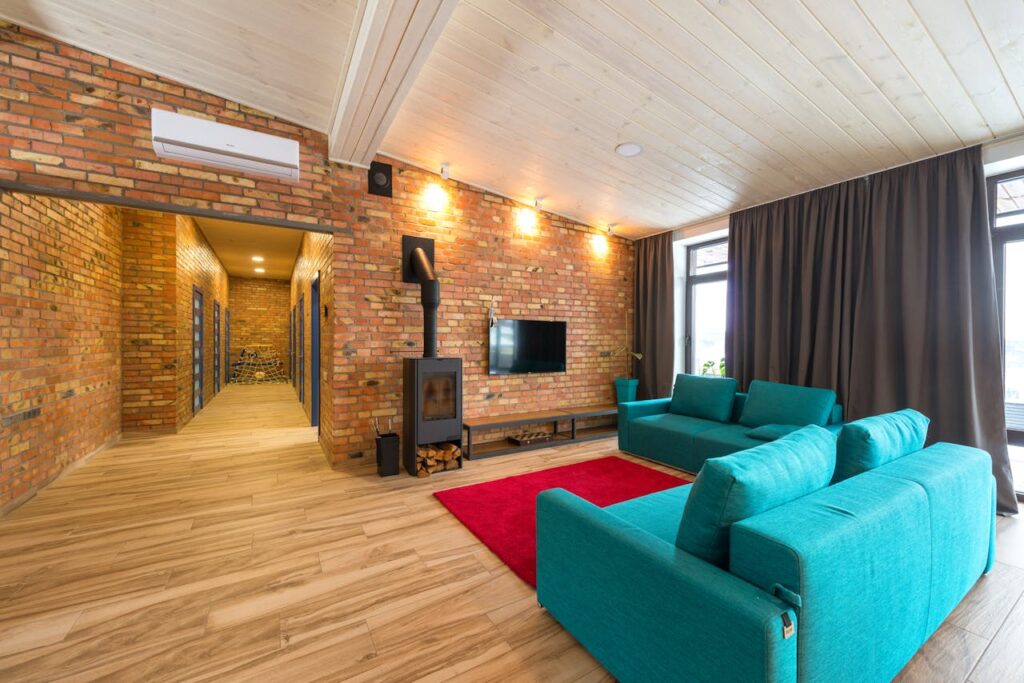
7. Use Furniture to Define Zones
In an awkward living room, it is easy for the space to feel undefined and messy. Using furniture strategically to create zones gives every part of the room a clear purpose. This makes the space feel organized even when the layout is far from perfect.
Separate Seating, Reading, and Media Areas
You do not need walls to separate different areas of a room. Furniture placement alone can signal where one zone ends and another begins. A sofa with its back to a reading corner, for example, creates a natural boundary between two spaces.
Think about the activities that happen in your living room and give each one its own dedicated spot:
- The main seating area for watching TV or hosting guests
- A reading nook with a single chair, a side table, and a lamp
- A media zone centered around the TV or entertainment unit
Keeping these zones distinct prevents the room from feeling like a jumble of furniture with no real purpose.
Use Rugs, Side Tables, and Chairs to Create Structure
A well-placed area rug is one of the most effective zoning tools you have. Place a rug under the main seating group to anchor it visually. This immediately signals that the sofa, chairs, and coffee table belong together as one cohesive unit.
Side tables and accent chairs also help define zones without adding bulk. A single chair with a floor lamp and a small side table in a corner creates a complete reading zone using just a few pieces. Keep each zone visually connected by using a consistent color palette or repeating design elements across the room.
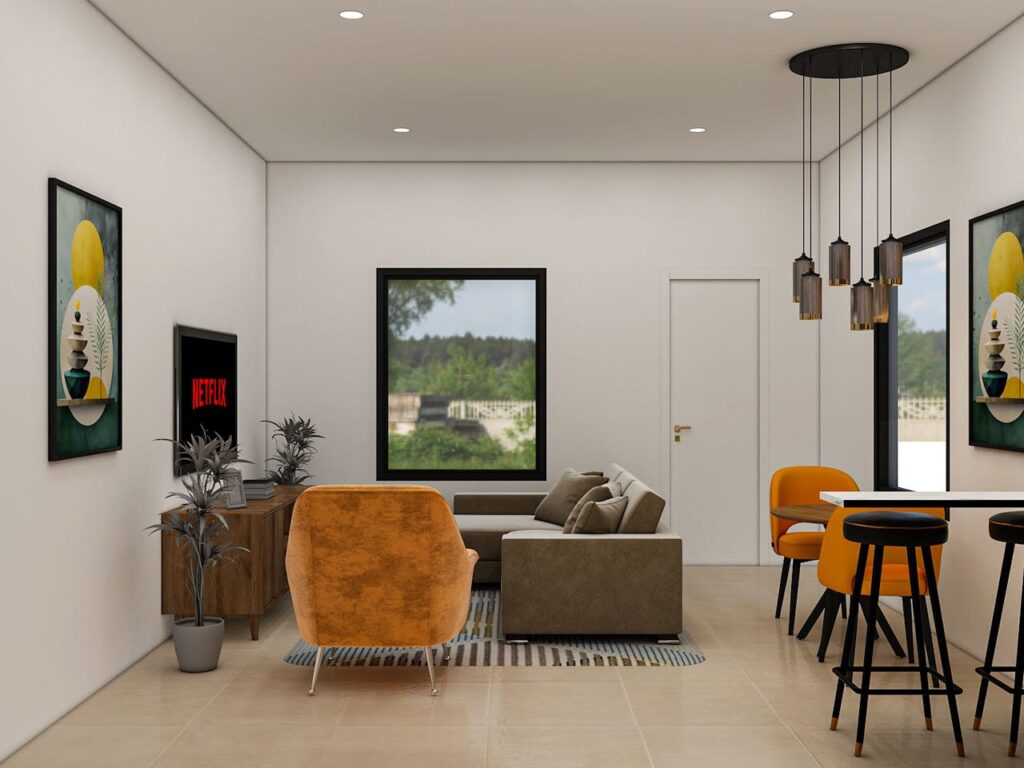
8. Choose Space-Saving Furniture
In a room with an awkward layout, the wrong furniture can make everything worse. Oversized pieces overwhelm small or narrow spaces, while furniture that is too small can feel lost and unbalanced. Choosing pieces that fit the scale of the room is one of the most important decisions you will make.
Use Smaller Sofas, Armless Chairs, or Nesting Tables
A standard three-seat sofa can feel massive in a tight or oddly shaped room. Consider a two-seater or loveseat instead. Armless chairs take up less visual space than fully upholstered ones and are easier to move around when you need to adjust the layout.
Nesting tables are a great alternative to a single large coffee table. They can be spread out when you need more surface space and tucked away when you do not. Other space-saving furniture options include:
- Ottomans with storage inside
- Slim console tables that double as sofa backs
- Benches that can tuck under a table or sit at the end of a sofa
- Wall-mounted shelves that free up floor space
Pick Furniture That Fits the Scale of the Room
Scale is about proportion. A sofa with a high back and thick arms will dominate a small room. A low-profile sofa with thin legs will feel lighter and leave more visual breathing room. When shopping for furniture, always check the dimensions against your room measurements before buying.
A good rule of thumb is that the sofa should not take up more than two thirds of the wall it sits against. Coffee tables should be about two thirds the length of the sofa. Keeping these proportions in check prevents any single piece from overpowering the room.
Avoid Oversized Pieces That Make the Room Feel Tighter
It is tempting to buy a large sectional or a big statement piece, especially when you love how it looks in the showroom. But oversized furniture in an awkward room creates more problems than it solves. It shrinks the usable floor space, blocks walkways, and makes the layout harder to adjust.
If you already own oversized furniture, try repositioning it before replacing it. Sometimes a different angle or placement can reduce how dominant a large piece feels. If it still overwhelms the room, it may be worth swapping it for something better scaled to the space.
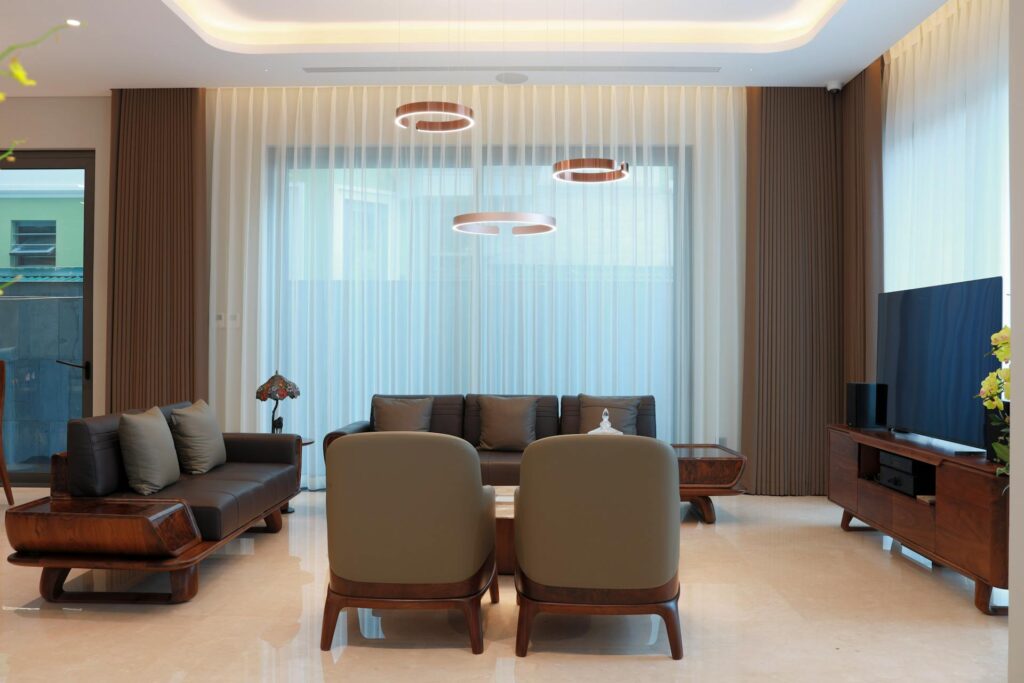
9. Balance the Room Visually
A furniture arrangement can feel functional but still look off if the visual weight is uneven. Balance is about making sure no single side of the room feels heavier or more crowded than the other. A balanced room feels calm and easy to be in.
Spread Furniture Evenly Across the Space
Look at your room from the doorway and check whether one side has more furniture than the other. If all the large pieces are on the left and the right side feels empty, the room will feel lopsided. Try to distribute the visual weight more evenly by spreading pieces across the space.
This does not mean everything needs to be perfectly symmetrical. It just means there should be a sense of balance when you look at the room as a whole. A large sofa on one side can be balanced by two chairs and a floor lamp on the other.
Match Heavy Pieces with Lighter Pieces
Every room needs a mix of heavy and light pieces. A dark, solid sofa paired with a chunky coffee table and a large bookcase can feel suffocating. Balance those heavy pieces with lighter ones, such as a glass side table, a slim floor lamp, or a light-colored accent chair.
You can also balance visual weight through color. Dark furniture feels heavier than light furniture. If you have several dark pieces, introduce lighter tones through cushions, rugs, or curtains to bring the room back into balance.
Keep One Side from Feeling Too Crowded
When arranging furniture in an awkward layout, it is easy to overcrowd one area while leaving another feeling empty. This often happens when people cluster all the furniture in the safest or most obvious corner and leave the rest of the room unused.
Resist that impulse. Even if one section of the room is awkward, find a way to use it with purpose. A single accent chair, a small side table, or a tall plant can fill a corner without making it feel cluttered. Spreading furniture with intention throughout the whole room makes the awkward parts feel like deliberate design choices.
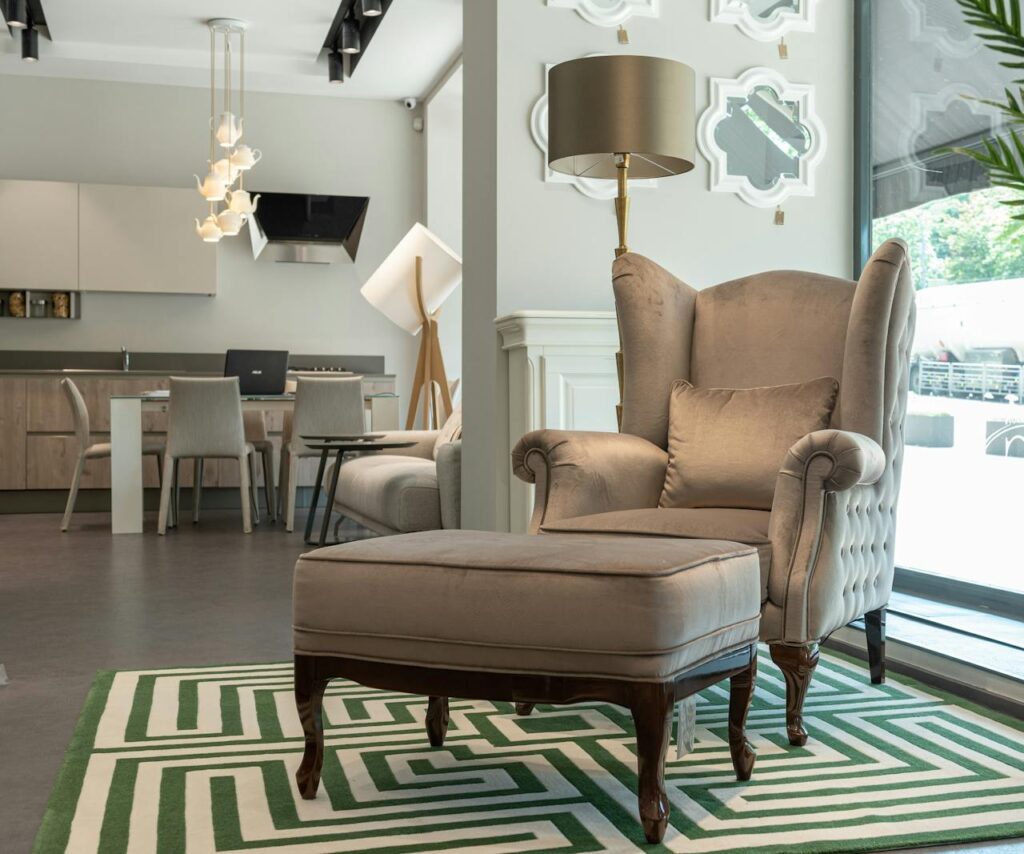
10. Add Flexible Pieces
No furniture arrangement is perfect on the first try, and your needs may change over time. Adding flexible pieces to your living room gives you the ability to adjust quickly without rearranging everything from scratch. Flexibility is especially useful in rooms with challenging layouts.
Use Ottomans, Poufs, and Movable Chairs
Ottomans and poufs are among the most versatile pieces you can add to a living room. They can serve as a footrest, extra seating, a side table with a tray on top, or a coffee table alternative. When guests arrive, simply pull a pouf out from under the coffee table and you have instant extra seating.
Lightweight accent chairs are also worth the investment. A chair that is easy to lift and move can shift from the seating group to a reading corner to a spot near the window depending on your mood or the occasion. This kind of adaptability is invaluable in a room that does not have a natural, obvious layout.
Choose Tables That Can Be Shifted Easily
Heavy, bulky tables are hard to rearrange and tend to lock a layout in place. Lightweight side tables or tables with casters give you more freedom to adjust as needed. A small round table, for example, can sit beside the sofa one day and act as a bedside-style surface in a reading corner the next.
Nesting tables are ideal for this. You can expand them when you need more surfaces during a gathering and stack them back up when the room needs to feel more open. Look for pieces that serve more than one purpose so every item earns its place in the room.
Keep the Layout Adaptable for Different Needs
Life changes, and your living room should be able to change with it. Maybe you work from home occasionally and need space for a laptop. Maybe you host movie nights where extra seating is needed. Designing a layout with some built-in flexibility means you are never stuck.
Leave a small amount of intentional empty space in the room. It may feel counterintuitive, but open floor space makes a room feel larger and gives you room to adapt when needed. Think of it as breathing room for your layout.
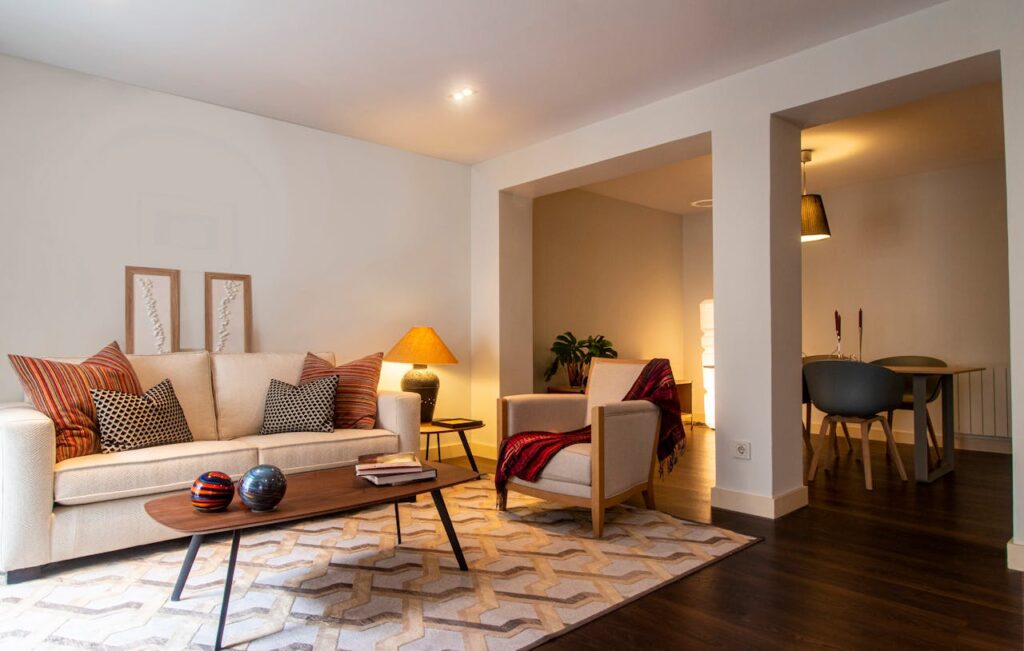
11. Finish with Lighting and Accessories
Once your furniture is in place, the final step is adding lighting and accessories. These finishing touches bring the room together and make it feel complete. They also help soften any remaining awkward areas and add personality to the space.
Add Floor Lamps, Table Lamps, and Wall Lighting
Overhead lighting alone rarely makes a living room feel warm or welcoming. Layering different light sources creates depth and makes the space feel more intentional. A floor lamp beside the sofa, a table lamp on a side table, and soft wall lighting combine to create a room that feels cozy at any time of day.
In awkward corners or areas that feel dark, a floor lamp can do double duty. It fills the corner visually and adds light to a spot that might otherwise feel like dead space. Aim for at least three light sources in the room beyond the overhead fixture.
Use Rugs, Curtains, and Decor to Unify the Layout
Accessories are the glue that holds a room together. A well-chosen area rug ties the seating group into one cohesive unit. Curtains that run from ceiling to floor make low ceilings feel taller and narrow windows feel wider. Throw pillows and blankets in coordinating colors bring different furniture pieces into visual harmony.
When decorating an awkward room, choose accessories that serve a purpose beyond looks:
- Long curtains to make windows feel larger and walls feel taller
- A large mirror to reflect light and make the room feel more open
- A statement rug to anchor the main seating zone
- Artwork at eye level to draw attention up and away from awkward proportions
Keep Accessories Simple So the Room Does Not Feel Cluttered
The biggest accessory mistake in a small or awkward room is doing too much. Too many decorative items, too many patterns, and too many colors compete for attention and make the space feel chaotic. Keep your palette simple and your surfaces clear.
A good rule of thumb is to edit your accessories down to what you truly love and what genuinely adds to the room. If something does not serve a purpose or bring you joy, it is probably making the room feel more cluttered than it needs to be. Less is almost always more in a challenging layout.
Conclusion
Arranging furniture in an awkward living room can feel overwhelming, but it does not have to stay that way. By starting with function, respecting traffic flow, and choosing furniture that fits the scale of the space, you can transform even the most challenging layout into a room that works.
Awkward layouts are more common than you think, and many beautiful, comfortable living rooms started with the same odd angles and strange proportions you are dealing with now. With the right approach, your living room can feel just as stylish and functional as any perfectly shaped space.
Frequently Asked Questions
What is the best furniture arrangement for a small awkward living room?
The best arrangement for a small awkward living room starts with choosing a clear focal point, then placing the sofa to face it. Use a loveseat or two-seater instead of a full sofa if space is tight. Keep the layout simple, float furniture slightly away from the walls, and use a rug to anchor the seating group. Avoid overcrowding the room with too many pieces.
Should furniture be pushed against the wall in an awkward room?
Not always. Pushing all furniture against the walls is a common instinct, but it often makes a room feel less comfortable and harder to use. Floating furniture a few inches away from the wall creates a more natural, layered look and allows for better conversation groupings. In very small rooms, wall placement may sometimes be necessary, but even then, pulling pieces out slightly can improve the overall feel.
How do I make an awkward living room look bigger?
To make an awkward living room look bigger, choose furniture that matches the scale of the room and avoid oversized pieces. Use light colors on walls and upholstery to open up the space. Add a large mirror to reflect light and create the illusion of depth. Keep the floor as clear as possible, use rugs to define zones, and hang curtains close to the ceiling to draw the eye upward.